Your Journey, Our Commitment: Personalized Recovery Solutions

Author: Skypoint Recovery

are shrooms safer than weed

Are Shrooms Safer Than Weed: Comparing Health Risks

Think swapping weed for shrooms is a harmless upgrade? Let’s dissect the risks, myths, and surprising facts before your next trip goes off track.


The debate about “Are shrooms safer than weed?” has gained serious momentum as both substances become more mainstream. People are looking for alternatives, seeking what they perceive as the “lesser evil” in recreational drug use. But here’s the reality: neither choice comes without significant risks that could impact your health, relationships, and future in ways you might not expect.

Social media and casual conversations make it sound like there’s a clear winner in the safety department. Some claim magic mushrooms are “natural” and therefore safer. Others point to weed’s widespread acceptance and medical applications. The truth? Both substances carry real dangers that deserve your attention before you make any decisions.

Why Compare Shrooms and Weed in the First Place?

Both substances have become popular choices among adults seeking altered states of consciousness. Whether someone’s looking to unwind after a stressful week, explore their creativity, or simply escape reality for a while, these options seem readily available and socially acceptable in many circles.

The real problem lies in how often the risk profiles get misunderstood or downplayed. People treat these substances like they’re choosing between coffee and tea, when in reality, they’re making decisions that could have lasting consequences for their physical and mental health.

As legalization trends spread and self-medication becomes more common, people need accurate information about what separates the supposed “safer high” from serious health pitfalls. The stakes are higher than many realize.

How Shrooms and Weed Affect Your Brain

Marijuana containing THC changes how your brain processes mood, sensation, and perception. For some people, this feels relaxing and enjoyable. But THC can also trigger intense anxiety or paranoia, particularly in individuals who already struggle with mental health conditions or those who use higher potency products.

Magic mushrooms work differently, flooding your brain with psilocybin that causes hallucinations and dramatic sensory distortions. The effects range from euphoric spiritual experiences to terrifying episodes of panic and confusion. The unpredictable nature makes each use a gamble with your mental state.

Both substances interact directly with your brain chemistry in ways that can worsen underlying psychological issues. What starts as recreational use can quickly become problematic for people with predispositions to mental health challenges.

Hospital Admissions and Emergency Risks: Which Is Safer?

The numbers might surprise you. Studies show that magic mushrooms lead to fewer emergency room visits compared to marijuana, with rates around 0.2% versus 0.6% annually. On the surface, this seems to support the argument that shrooms carry less risk.

But those statistics don’t tell the complete story. Mushroom poisoning risks present a deadly wild card that marijuana doesn’t have. When people consume the wrong species of mushrooms, thinking they’re getting psilocybin, the results can be fatal. Misidentification happens more often than people expect, even among experienced users.

The health risks of shrooms also include severe reactions that send people to emergency rooms with symptoms like seizures, extreme confusion, and dangerous changes in heart rate and blood pressure.

Addiction and Dependence: Separating Fact from Fiction

Both substances carry lower rates of physical addiction compared to substances like alcohol or opioids, but psychological dependence can still develop and seriously impact your well-being, career, and relationships. The “low addiction risk” narrative often gets used to justify regular use, but that’s misleading.

Cannabis use disorder affects a significant number of regular marijuana users, with studies suggesting that up to 30% of people who use marijuana regularly may develop some degree of problem use. Heavy users often experience withdrawal symptoms when they try to stop, including irritability, sleep problems, and cravings.

Weed vs shrooms addiction patterns look different, but both can create psychological dependence where people feel they need the substance to cope with stress, social situations, or daily life. Tolerance develops for both substances, meaning people need increasing amounts to achieve the same effects.

Mental Health: Hidden Dangers for Vulnerable Users

The mental health side effects drugs like these can cause often get underestimated, especially by people who already struggle with anxiety, depression, or other psychological conditions. Both substances can worsen existing symptoms in ways that aren’t immediately obvious.

Bad trips on magic mushrooms can induce terrifying paranoia, intense confusion, and panic attacks that feel life-threatening even when they’re not. Some people experience lasting psychological effects from traumatic trips, including persistent anxiety or depression that requires professional treatment.

Marijuana might seem gentler, but it can trigger anxiety episodes, worsen depression, and in rare cases, contribute to the development of psychotic symptoms in vulnerable individuals.

Physical Risks: What Could Go Wrong?

Marijuana use increases heart rate and blood pressure, which can be dangerous for people with cardiovascular conditions. The substance also impairs coordination and reaction times, making activities like driving or operating machinery risky for users and everyone around them.

Psilocybin overdose symptoms can include severe nausea, muscle weakness, dilated pupils, and in extreme cases, seizures. The effects vary dramatically depending on the dose, the specific mushroom species, and individual body chemistry. There’s no reliable way to predict how your body will react.

Combining either substance with alcohol or other drugs intensifies side effects and creates new risks that are difficult to predict or manage.

The Myth of the “Safe Trip”: Set, Setting, and Substance

Experienced users often talk about “set, setting, and substance” as if following these guidelines guarantees a safe experience. While these factors do matter, they don’t eliminate the inherent risks involved with using psychoactive substances.

Your mindset, environment, and the purity of what you’re using all influence outcomes, but no trip comes with safety guarantees. Risks increase dramatically in unfamiliar environments or when people mix substances, but even “ideal” conditions can’t prevent unexpected reactions.

The reality is that every time someone uses these substances, they’re accepting a level of risk that could result in physical harm, legal consequences, or lasting psychological effects.

Recognizing Problem Patterns: When Occasional Use Becomes Risky

Warning signs of drug misuse include:

  • Needing higher doses for the same effect

  • Neglecting personal or professional responsibilities

  • Experiencing withdrawal symptoms

  • Combining substances for stronger effects

  • Using despite negative consequences

If you notice these behaviors, it may be time to reevaluate your relationship with these substances.

Skypoint Recovery: Where Science and Compassion Meet for Real Recovery

If you’ve found yourself caught up in patterns of substance use that feel difficult to control, or if you’re using drugs to cope with underlying mental health issues, professional support can make a significant difference. Skypoint Recovery in Akron, Ohio, provides evidence-based treatment that addresses both substance use and the underlying issues that drive it.

Their approach recognizes that people often turn to substances like marijuana or magic mushrooms to manage stress, trauma, or mental health symptoms. Rather than simply focusing on stopping substance use, they help people develop healthier coping strategies that address root causes.

Skypoint Recovery offers multiple levels of care, including intensive outpatient programs and partial hospitalization services that allow people to get treatment while maintaining their work and family responsibilities. They accept Medicaid insurance and work with patients to figure out their financial options.

For people dealing with dual diagnosis situations where substance use occurs alongside conditions like Generalized Anxiety Disorder, Social Anxiety Disorder, Panic Disorder, or PTSD, their team provides integrated treatment that addresses all aspects of a person’s mental health.

Get Help Today: Trade Uncertainty for Clarity and Control

The question of are shrooms safer than weed misses the bigger point about finding healthy ways to cope with life’s challenges. Both substances carry significant risks that can impact your physical health, mental wellbeing, and future opportunities in ways that aren’t always immediately apparent.

If you’re ready to explore alternatives to substance use, or if your current patterns feel difficult to control, Skypoint Recovery offers confidential consultations to help you understand your options. You can fill out their online form or call 330-919-6864 to speak with someone who understands that asking for help takes courage.

Real safety comes from addressing the underlying issues that drive substance use, not from trying to find the “safer” drug. Your mental health and future deserve better than gambling with substances that could derail your progress and goals.

Mucinex and alcohol

What Happens If You Mix Mucinex and Alcohol?

Ever thought a shot of whiskey would help kick your cold faster? Before you toast with your Mucinex, read this. The risks may surprise you.


That innocent cold remedy sitting in your medicine cabinet might seem harmless enough. But when you’re fighting a nasty cold and feeling miserable, the temptation to add a “medicinal” drink to the mix can feel pretty appealing. Here’s the thing though: mixing Mucinex and alcohol creates a cocktail of complications your body wasn’t designed to handle.

Most people don’t realize that combining these two substances can lead to serious health consequences. What starts as an attempt to feel better often ends up making you feel much worse.

Why People Mix Mucinex and Alcohol and Why It’s Risky

The logic seems simple enough. You’re already feeling terrible from your cold, so why not chase that Mucinex with something that might help you sleep or take the edge off? Maybe you’re at a social gathering and don’t want to skip the festivities just because you’re under the weather.

But here’s what most people don’t consider: your liver is already working overtime to process that cold medicine. When you add alcohol to the equation, you’re asking your liver to juggle two demanding tasks simultaneously. The result? Neither substance gets processed efficiently, and both can linger in your system longer than expected.

Many people underestimate how alcohol interaction with cold medicines can amplify side effects in ways that catch them completely off guard. What feels like a harmless combination can quickly escalate into something much more serious.

How Mixing Mucinex and Alcohol Affects Your Body

Your liver acts like your body’s personal detox center, breaking down everything from medications to that glass of wine you had with dinner. When you introduce both Mucinex and alcohol at the same time, you’re essentially asking your liver to work a double shift without overtime pay.

Both substances compete for the same metabolic pathways in your liver. This competition creates a backup that can lead to increased toxicity levels in your bloodstream. The liver damage risk alcohol medicine combinations pose becomes very real when your liver can’t keep up with the workload.

The sedative effects get amplified too. Mucinex already makes many people drowsy, but add alcohol to the mix and that drowsiness becomes extreme. We’re talking about the kind of impairment that makes driving dangerous and simple tasks feel impossible. Your reaction times slow down dramatically, and your coordination takes a serious hit.

Side Effects: From Mild to Severe

The range of side effects depends on your health, dosage, and type of Mucinex taken. Common reactions include nausea, dizziness, and trouble concentrating. But the dangers don’t stop there. Severe issues may include:

  • Confusion or disorientation

  • Rapid heart rate and high blood pressure

  • Stomach irritation or bleeding

  • Dehydration

  • Accidental overdose

If the product contains dextromethorphan, you’re also facing dextromethorphan and alcohol dangers like respiratory distress or blackouts. People with asthma, chronic respiratory problems, or liver disease face even greater risks.

What About Different Types of Mucinex?

Not all Mucinex products carry the same risk, but none are safe with alcohol.

  • Plain guaifenesin: While primarily an expectorant, mixing it with alcohol still triggers a guaifenesin alcohol warning due to increased sedation.

  • Mucinex DM: Contains dextromethorphan, which poses major danger when paired with alcohol.

  • Mucinex with acetaminophen: Combines alcohol’s liver stress with acetaminophen’s, multiplying the risk of severe liver damage.

How Long Should You Wait to Drink Alcohol After Taking Mucinex?

Timing matters, but probably not in the way you think. Mucinex can stay active in your system for 4 to 12 hours, depending on the specific product and your individual metabolism. But even waiting for the medication to clear your system doesn’t eliminate all risks.

Your liver needs time to recover from processing the medication before you ask it to handle alcohol. Some people make the mistake of thinking they can time things perfectly, but individual factors like your overall health, other medications, and even what you’ve eaten can affect how long these substances stay in your system.

The safest approach? When in doubt, wait it out. Better to skip a drink than risk a trip to the emergency room.

Myths and Mistakes: Why “Just One Drink” Isn’t Safe

The “just one drink” mentality has gotten many people into trouble. Even a single alcoholic beverage can intensify medication side effects, especially with certain cold medicine combinations. Your body doesn’t negotiate based on quantity – the chemical interaction happens regardless of how little alcohol you consume.

Many people end up in emergency rooms after mixing what they thought were safe amounts. They didn’t set out to cause themselves harm; they simply didn’t understand how these substances interact at a cellular level.

Social pressure can make this worse. When everyone else is drinking and you’re already feeling isolated because of your cold, the temptation to join in can override your better judgment.

Thinking Beyond the Quick Fix: How Substance Use Affects Recovery

Here’s where we need to have an honest conversation. If you find yourself regularly reaching for alcohol when you’re taking medications, or if you’re frequently mixing substances to cope with discomfort, these might be signs of developing patterns that deserve attention.

Sometimes what starts as innocent substance abuse and medication safety issues can evolve into something more concerning. The line between managing symptoms and developing dependency can be thinner than many people realize.

Recovery from illness works best when your body has all its resources available to heal. Mixing Mucinex and alcohol diverts those resources away from fighting your cold and toward processing substances that don’t help you get better.

Skypoint Recovery: Your Akron Solution for Holistic Healing

If you’ve noticed patterns in how you use substances to cope with discomfort, or if mixing medications and alcohol has become a regular habit, you might benefit from professional support. Skypoint Recovery in Akron, Ohio, specializes in evidence-based addiction treatment that meets people where they are in life.

Their approach recognizes that addiction doesn’t happen in a vacuum. They offer programs designed for working adults who need treatment but can’t put their lives on hold. Whether you need intensive outpatient support or partial hospitalization services, their team understands that recovery looks different for everyone.

For people dealing with both substance abuse and medication safety concerns alongside mental health challenges, Skypoint Recovery provides dual diagnosis expertise. They accept Medicaid insurance and work with patients to figure out their financial options, removing barriers that might prevent people from getting help.

Their holistic approach means they look at the whole person, not just the substance use. They understand that people often turn to alcohol or medications to cope with underlying issues, and they address those root causes as part of the treatment process.

Ready for Real Change?

Getting sick happens to everyone, but how you handle recovery can set patterns that last long beyond your cold symptoms. Mixing Mucinex and alcohol might seem like a minor issue, but it can be a window into larger patterns of substance use that deserve attention.

If you’re ready to explore healthier ways of coping with discomfort and illness, Skypoint Recovery offers confidential consultations to help you understand your options. You can fill out their online form or call 330-919-6864 to speak with someone who understands that asking for help takes courage.

Your health deserves better than quick fixes that create new problems. Real healing happens when you give your body and mind what they actually need to recover and thrive.

Do Muscle Relaxers Cause Constipation?

Do Muscle Relaxers Cause Constipation? Here’s What Really Happens to Your Body!

Wondering if your muscle relaxer is slowing things down? Get the facts on constipation, why it happens, and how to manage it, especially if you’re in recovery.


What Are Muscle Relaxers and Why Are They Prescribed?

Muscle relaxers are prescription medications used to relieve pain, stiffness, and spasms in the muscles. These medications are commonly prescribed after injuries, surgeries, or for chronic conditions like fibromyalgia or sciatica.

Some of the most widely used muscle relaxers include:

  • Cyclobenzaprine

  • Baclofen

  • Carisoprodol

  • Methocarbamol

They’re often included in pain management plans as a non-opioid alternative. For individuals in recovery, these medications can offer relief without the immediate risk of euphoria, but they still require medical supervision. Misuse, especially as a way to cope with stress or discomfort, can lead to bigger issues.

How Muscle Relaxers Affect Your Body And Your Gut

Most muscle relaxers work by calming the central nervous system. They reduce nerve signals that cause muscles to tighten up. While this helps the body feel less tense, it also slows everything else down, including your digestion.

This is why the answer to do muscle relaxers cause constipation is often yes. The slower nerve signals don’t just reach the muscles in your back or legs; they also reduce contractions in your intestines. Fewer contractions mean waste moves more slowly through the digestive tract, which can lead to uncomfortable buildup.

Certain types of muscle relaxers are more likely to cause this effect. For example, cyclobenzaprine constipation is common due to its anticholinergic effects, which block the action of acetylcholine, a chemical that helps muscles (including those in your gut) contract and function properly.

Why Do Muscle Relaxers Cause Constipation?

The issue usually comes down to anticholinergic effects. These effects interfere with the way your nerves communicate with your digestive system, causing:

  • Slower bowel movements

  • Hard, dry stools

  • A higher chance of irregularity

Different muscle relaxers come with different levels of constipation risk, depending on how they interact with the nervous system and digestive tract. Cyclobenzaprine, for example, carries a high risk due to its strong anticholinergic properties and central nervous system (CNS) depressant effects. Baclofen is considered moderate in terms of risk. It acts as a CNS depressant and can slow down gut motility, making bowel movements less frequent.

Carisoprodol falls into the moderate to high-risk range. As a sedative and CNS depressant, it can contribute to sluggish digestion, especially in people who are less active. On the lower end of the spectrum, Methocarbamol typically poses a low to moderate risk. While it still affects the CNS, its impact on gut movement is less severe than others.

That said, no two people react the same way. Your diet, hydration, physical activity, age, and overall health all play a role in how your body handles muscle relaxers. So while these general trends offer guidance, your experience may vary.

Recognizing the Signs: Constipation Symptoms to Watch For

You might be surprised at how quickly digestive issues set in. If you’re taking a muscle relaxer and notice any of the following signs, constipation might be creeping in:

  • Fewer than three bowel movements per week

  • Straining or discomfort during bowel movements

  • Hard or pebble-like stools

  • A feeling of fullness, even after using the bathroom

  • Bloating or cramping that won’t go away

These symptoms shouldn’t be ignored. While constipation can seem like a minor issue, it can quickly become a barrier to recovery and daily function.

Managing Constipation While Taking Muscle Relaxers

The good news is that most cases are manageable with a few intentional changes. Here are some safe, at-home constipation remedies to consider:

  1. Increase fiber with fruits, vegetables, and whole grains.

  2. Stay hydrated throughout the day.

  3. Get moving; even light exercise can help stimulate digestion.

  4. Use over-the-counter aids like stool softeners, but only after consulting your doctor.

  5. Avoid self-medicating, especially if you’re in recovery or managing other conditions.

Slowing or stopping your medication without professional input is risky. Pain, anxiety, and withdrawal symptoms can quickly pile up, making recovery harder.

Muscle Relaxers, Constipation, and Recovery

For those in recovery, constipation isn’t just a discomfort. It can turn into a trigger. The frustration and anxiety caused by slowed digestion might lead some people to take more medication, skip meals, or relapse into old habits.

Baclofen and digestion, for example, can be an ongoing battle for people who already have sensitive systems. Without support, these physical symptoms can spiral into emotional consequences.

That’s why anyone with a history of substance use should talk openly with providers about side effects. A tailored recovery plan considers every part of your health, including your gut.

Are Muscle Relaxers Addictive? Understanding the Risks

Not all muscle relaxers are habit-forming, but some carry more risk than others. Carisoprodol and diazepam, for example, can cause dependency with regular use.

Here’s what to watch for:

  • Needing higher doses to feel the same relief

  • Using the medication outside of prescribed times

  • Feeling anxious, restless, or panicked without it

  • Taking it to manage emotions, not just physical pain

Professional oversight matters. With the right structure, muscle relaxers can be used safely but they should never be a solo decision.

When to Seek Help and How Skypoint Recovery Can Support You

If you’re struggling with constipation, discomfort, or medication concerns, it may be time to speak with a provider. This is especially true if you’re in recovery and trying to balance pain relief with your sobriety goals.

Skypoint Recovery in Akron, Ohio offers personalized treatment plans that take into account your physical and emotional health. Whether you’re dealing with muscle relaxer side effects, working through past substance use, or looking for safe ways to manage pain, the team is here to help.

We accept Medicaid insurance and work with individuals to explore financial options. Whether you’re considering PHP, IOP, or sober living, our staff will help you figure out the right path forward.

Ready to Feel Better? Let’s Move Forward Together

So, do muscle relaxers cause constipation? Yes, they can but the right care makes all the difference. With support, awareness, and practical steps, you don’t have to stay stuck.

Call 330-443-6002 or fill out the confidential online form to connect with Skypoint Recovery. Let’s talk about your goals, your comfort, and your future.

How Long Does Meloxicam Stay in Your System: Timeline, Testing, and Safety Considerations

Curious about Meloxicam’s timeline in your body? Learn how it’s processed, what drug tests reveal, and why safety matters especially if you’re in recovery. Understanding how long Meloxicam stays in your system can help you make informed decisions about pain management and medication timing.


What Is Meloxicam and Why Is It Prescribed?

Meloxicam is a prescription NSAID (nonsteroidal anti-inflammatory drug) that doctors commonly prescribe for managing chronic pain and inflammation. Unlike over-the-counter pain relievers, meloxicam provides stronger, longer-lasting relief for conditions like osteoarthritis, rheumatoid arthritis, and other inflammatory disorders that cause persistent discomfort.

Healthcare providers often consider meloxicam as an alternative to opioid medications for NSAID pain management, especially for patients who need consistent pain relief without the risk of dependency. This makes it particularly valuable for individuals who have struggled with substance use disorders in the past but still require effective pain management solutions.

The medication works by blocking specific enzymes that cause inflammation and pain in your body. While powerful, meloxicam requires careful medical supervision because it can interact with other medications and may not be suitable for everyone, particularly those with certain health conditions or a history of substance use challenges.

How Meloxicam Works in the Body

Meloxicam side effects can vary from person to person, but understanding how this medication functions helps explain both its benefits and potential risks. NSAIDs like meloxicam work by inhibiting cyclooxygenase (COX) enzymes, which are responsible for producing prostaglandins that trigger inflammation, pain, and fever responses in your body.

What sets meloxicam apart from over-the-counter NSAIDs like ibuprofen is its longer duration of action and more selective targeting of inflammatory pathways. This means you typically only need one dose per day, compared to taking multiple doses of other pain relievers throughout the day.

For individuals with a history of substance use, medical supervision becomes especially important. While meloxicam doesn’t create dependency or produce euphoric effects, any medication can be misused if someone attempts to self-medicate emotional pain or uses it in ways other than prescribed. Your healthcare provider can monitor your response and adjust treatment as needed.

How Long Does Meloxicam Stay in Your System?

The meloxicam half-life typically ranges from 15 to 20 hours, meaning it takes this amount of time for your body to eliminate half of the medication from your bloodstream. Complete elimination usually occurs within 3 to 5 days after your last dose, though this timeline can vary significantly based on individual factors.

Several factors influence how quickly your body processes and eliminates meloxicam. Age plays a role because older adults often metabolize medications more slowly. Kidney and liver function significantly impact elimination time, as these organs are responsible for filtering and processing the drug. Your dosage, how frequently you’ve been taking the medication, and your overall health status all contribute to the elimination timeline.

People with compromised kidney or liver function may retain meloxicam in their system considerably longer than the average timeline. This is why healthcare providers often order blood tests to check organ function before prescribing meloxicam, especially for long-term use. Body weight, gender, and genetic factors can also influence how quickly you metabolize the medication.

Meloxicam and Drug Testing: What You Need to Know

Meloxicam drug test results rarely appear in standard workplace or legal drug screenings because these tests typically focus on substances of abuse rather than prescription NSAIDs. However, specialized testing can detect meloxicam if specifically requested by healthcare providers or legal authorities.

The meloxicam detection time varies depending on the type of test used. Urine tests can typically detect meloxicam for up to 5 days after your last dose, while blood and plasma tests usually show positive results for up to 72 hours. Saliva tests have a shorter detection window, generally 24 to 48 hours after the last dose.

For individuals in recovery programs or under medical supervision, understanding these detection windows becomes important for several reasons. Some treatment programs require full disclosure of all medications, and healthcare providers need accurate information about what’s in your system when prescribing additional treatments or monitoring your progress.

Safety Considerations for People in Recovery

Although meloxicam and addiction aren’t linked the way opioids or benzodiazepines are, the medication still comes with important warnings. Misusing meloxicam, by taking too much or combining it with alcohol or other substances, can lead to serious problems, including:

  • Stomach ulcers or internal bleeding

  • Kidney or liver damage

  • Increased risk of heart attack or stroke in long-term use

  • Delayed wound healing

None of these risks are worth ignoring. Even medications considered “safe” need careful monitoring, especially in recovery, where physical pain can reignite emotional struggles.

Meloxicam vs. Opioids: A Safer Alternative?

In some pain management plans, meloxicam offers an option for reducing reliance on addictive drugs. It doesn’t create a chemical high, and for mild to moderate pain, it often works well without the baggage of opioids.

That said, meloxicam isn’t a fit for everyone. Those with impaired kidney or liver function, bleeding disorders, or certain heart conditions should be cautious. Drug interactions are also possible, particularly for people taking medications for depression, anxiety, or hypertension.

When deciding between meloxicam and opioids, the best choice depends on your full health profile, not just your pain level.

What to Do If You’re Concerned About Meloxicam Use

Sometimes, medications meant to help can stir up concern. Whether it’s fear of dependency or unusual meloxicam side effects, it’s valid to ask for help.

Here’s what you can do:

  • Watch for warning signs: ongoing stomach pain, shortness of breath, or swelling in the hands and feet

  • Speak to your doctor before stopping the medication abruptly

  • Ask about alternative NSAID pain management strategies

  • Track your physical and emotional responses while using it

If you’re in recovery and worried about how a prescription is affecting your progress, don’t ignore that inner voice.

Your Health, Your Recovery

How long does meloxicam stay in your system? The answer may be straightforward, but managing medication safely, especially during recovery, is anything but simple.

If you’re navigating recovery and trying to manage pain without losing your footing, Skypoint Recovery is here to help. Whether you’re adjusting medications or just looking for support, our team is ready to listen. We’ll help you explore your options, figure out what level of care fits your needs, and understand your insurance or payment possibilities; including Medicaid.

Call 330-919-7924 or fill out the secure online form to speak with someone who understands the journey. You don’t have to go through this alone.

Pristiq Withdrawal Symptoms

Pristiq Withdrawal Symptoms: What to Expect and How to Manage Them

Wondering what happens when you stop taking Pristiq? This guide breaks down the symptoms, timeline, and actionable steps to manage withdrawal safely. You’ll discover how to navigate this challenging process and find the support you need to reclaim control of your mental health journey.


Understanding Pristiq and Why Withdrawal Happens

Pristiq, known generically as desvenlafaxine, belongs to a class of medications called SNRIs (serotonin-norepinephrine reuptake inhibitors). This antidepressant works by increasing levels of serotonin and norepinephrine in your brain, two neurotransmitters that help regulate mood, anxiety, and emotional well-being.

When you take Pristiq regularly, your brain adapts to having these elevated neurotransmitter levels. Think of it like adjusting the thermostat in your house. Your brain recalibrates its natural chemical production to accommodate the medication’s effects. So when you suddenly stop or reduce your dose, your brain needs time to readjust to producing these chemicals on its own again.

This adjustment period creates what doctors call antidepressant discontinuation syndrome. Your nervous system essentially goes through a recalibration process, which can trigger various physical and emotional symptoms. The severity and duration depend on factors like how long you’ve been taking the medication, your dosage, and your individual brain chemistry.

Common Pristiq Withdrawal Symptoms

Symptoms can hit hard or creep in quietly, and they often catch people off guard. Some are physical, while others impact mental health. Both deserve serious attention.

Physical symptoms might include:

  • Nausea or vomiting

  • Dizziness or balance problems

  • Headaches

  • Flu-like fatigue or chills

  • Sweating or hot flashes

  • Brain zaps: those odd electrical sensations that flash through the head

Psychological symptoms can be just as disruptive:

  • Heightened anxiety

  • Irritability or restlessness

  • Sudden mood swings

  • Trouble sleeping

  • Confusion or “mental fog”

  • Depression that feels heavier than before

No two people experience Pristiq withdrawal symptoms in exactly the same way. The dosage you were on, how long you took it, and your overall physical and mental health all play a role in how symptoms appear.

Pristiq Withdrawal Timeline

Most people begin experiencing symptoms within 24 to 72 hours after their last dose. This quick onset happens because Pristiq has a relatively short half-life, meaning it leaves your system faster than some other antidepressants.

The peak intensity usually occurs during the first week, though this varies from person to person. For many individuals, symptoms gradually improve over 2-4 weeks. However, some people experience what’s called “protracted withdrawal,” where certain symptoms persist for months. This extended timeline often surprises people who expect to feel better within days.

Several factors influence both severity and duration. If you’ve been taking higher doses for years, expect a longer adjustment period. Your overall health, stress levels, and whether you’re taking other medications all play roles too. Age can matter as well – older adults sometimes need more time for their brain chemistry to stabilize.

Managing Pristiq Withdrawal

The golden rule for stopping Pristiq safely involves tapering off Pristiq gradually under medical supervision. Never attempt to quit cold turkey, even if you’re eager to be medication-free. Abrupt discontinuation dramatically increases your risk of severe withdrawal symptoms and can be dangerous.

Your healthcare provider should create a personalized tapering schedule that slowly reduces your dose over weeks or months. This might involve cutting your daily dose by 25% every 1-2 weeks, though some people need an even slower approach. The goal is giving your brain time to adjust gradually rather than shocking it with sudden changes.

During this process, maintain regular check-ins with your doctor. They can adjust the tapering schedule if symptoms become too intense or if you experience any concerning side effects. Some people benefit from switching to a longer-acting antidepressant before tapering, while others do better with additional short-term medications to ease specific symptoms.

Self-Care and Coping Tips During Withdrawal

Healing doesn’t happen in a vacuum. You’ll need both practical strategies and emotional support.

Here are some self-care practices that can help while managing desvenlafaxine withdrawal:

  • Prioritize restful sleep. Don’t push yourself to function at full capacity while symptoms are active.

  • Stay hydrated and aim for simple, nourishing meals. Even small amounts of caffeine or alcohol can trigger setbacks.

  • Get light movement each day. Short walks or stretching can ease body tension.

  • Try grounding techniques or mindfulness practices. Even 5 minutes can make a difference.

  • Lean on your people. Whether that’s a therapist, friend, or peer group, connection can reduce the emotional weight.

This isn’t about pushing through. It’s about listening to your body and moving through this period with intention and patience.

When Withdrawal Becomes Dangerous

While most withdrawal symptoms are uncomfortable but manageable, some situations require immediate medical attention. If you experience thoughts of self-harm or suicide, severe depression that interferes with daily functioning, or panic attacks that feel overwhelming, contact your healthcare provider immediately or go to an emergency room.

Other red flags include symptoms that worsen rather than improve after the first week, severe agitation or aggression, or any symptom that feels life-threatening. Trust your instincts – if something feels seriously wrong, seek help rather than waiting it out.

Some people develop what doctors call “rebound depression” during withdrawal, where depressive symptoms return more intensely than before starting medication. This doesn’t mean the medication wasn’t working; it often indicates that your brain needs more time to readjust or that you might benefit from additional treatment support.

How Skypoint Recovery Supports Your Journey

At a certain point, managing withdrawal on your own can become overwhelming. That’s where structured care makes all the difference.

Skypoint Recovery offers support tailored to your specific needs. Whether you’re stepping down from Pristiq detox or managing dual diagnosis conditions like anxiety or PTSD, the team provides:

  • Customized outpatient care through PHP or IOP tracks

  • Supportive sober living environments when needed

  • Compassionate clinicians with experience treating antidepressant withdrawal

  • Help exploring insurance options, including Medicaid, and other ways to access care

Treatment doesn’t start with a lecture. It starts with a conversation. The team will help you understand what level of care fits your situation and how to get started—at your pace..

Reclaim Your Life

Managing Pristiq withdrawal symptoms requires patience, support, and often professional guidance. You don’t have to navigate this challenging process alone. Whether you’re planning to discontinue Pristiq or currently experiencing withdrawal symptoms, reaching out for support can make all the difference in your safety and success.

If you or a loved one needs support during medication withdrawal or is struggling with mental health challenges, Skypoint Recovery offers confidential consultations to discuss your options. Our compassionate team is ready to help you create a plan that prioritizes your safety while supporting your goals for mental health recovery.

Take the first step by calling 330-919-6864 or filling out our online form. Your journey toward reclaiming control of your mental health starts with that first conversation.

What Drugs Cause Dilated Pupils

What Drugs Cause Dilated Pupils: Prescription Medications vs. Illicit Substances

Ever noticed someone’s pupils looking unusually large in normal lighting? You’re observing a physical sign that could reveal important information about their health or substance use. Understanding what drugs cause dilated pupils helps you recognize potential signs of drug abuse early, whether the cause stems from legitimate medical treatment or illicit substance use.


Why Do Pupils Dilate? The Science Behind the Symptom

Your pupils constantly adjust to control how much light enters your eyes. Think of them as automatic camera apertures that respond to brightness levels. But drugs disrupt this natural process by interfering with your nervous system’s chemical messengers called neurotransmitters.

When certain substances enter your bloodstream, they block or overstimulate the muscles controlling pupil size. Specifically, drugs affecting dopamine, norepinephrine, or serotonin pathways can cause your pupils to stay dilated even in bright light. This happens because these chemicals override your body’s normal response to environmental changes.

Dilated pupils serve as a visible warning sign that something is affecting your nervous system. While temporary dilation from eye drops or medical procedures is normal, persistent changes warrant attention.

Prescription Medications That Cause Dilated Pupils

Not all drugs that affect pupil size are illegal. Several widely prescribed medications list pupil dilation as a common side effect. This includes:

  • Antidepressants (such as SSRIs and SNRIs) 
  • Benzodiazepines 
  • Antihistamines 
  • Atropine and other eye drops 
  • ADHD medications like Adderall or Ritalin 

Many of these medications impact neurotransmitter levels or muscle responses, resulting in widened pupils. While these changes are often harmless, sometimes they signal a deeper issue; like prescription drug side effects that have gone unnoticed.

Pupil dilation becomes more concerning when it appears alongside:

  • Confusion or hallucinations 
  • Rapid heartbeat 
  • Unusual mood swings 
  • Trouble sleeping or eating 

If you’re prescribed any of the medications above, don’t panic. Dilated pupils can be a temporary reaction. But if you experience dramatic changes or suspect misuse, speak with a healthcare provider before adjusting or stopping your medication.

Illicit Substances and Dilated Pupils: What to Watch For

With street drugs or non-prescribed substances, dilated pupils often tell a darker story. Some of the most common offenders include:

  • Cocaine 
  • Methamphetamine 
  • LSD 
  • MDMA (ecstasy) 
  • Psilocybin (magic mushrooms) 

These drugs tend to trigger excessive dopamine or serotonin release, leaving pupils in a prolonged state of dilation. But what drugs cause dilated pupils isn’t the only question to ask. You should also look for other red flags that point to signs of drug abuse, including:

  • Drastic mood changes 
  • Aggressive or erratic behavior 
  • Loss of appetite 
  • Disturbed sleep 
  • Financial or legal trouble 

The truth is, pupil dilation is rarely an isolated symptom. It’s often one of many visual indicators that someone may be struggling with dependency, and in many cases, masking emotional pain.

Dilated Pupils and Dual Diagnosis: The Overlap of Mental Health and Substance Use

Many people struggling with addiction also battle mental health conditions like depression, anxiety, or trauma. This combination, called dual diagnosis treatment, creates complex symptom patterns that require specialized care.

Someone might start using stimulants to self-medicate depression or anxiety, not realizing they’re creating bigger problems. The temporary energy boost from cocaine or methamphetamine can feel like relief from mental health symptoms, but tolerance builds quickly. Users need increasingly larger amounts to achieve the same effect.

Mental health medications can also complicate the picture. Someone taking prescribed antidepressants might have naturally larger pupils, making it harder to spot additional substance use. This is why comprehensive assessment by trained professionals is so important.

Co-occurring disorders require integrated treatment approaches. Addressing only the addiction while ignoring underlying mental health issues often leads to relapse. Similarly, treating depression or anxiety without addressing substance use patterns rarely succeeds long-term.

When to Seek Help: Recognizing the Signs and Taking Action

Knowing what drugs cause dilated pupils is valuable, but recognizing when someone needs help involves looking at the bigger picture. Physical signs extend beyond eye changes to include weight loss, poor hygiene, unusual sleep patterns, or frequent illness.

Behavioral changes often provide clearer warning signs. Someone struggling with addiction might become secretive, lie about their activities, neglect responsibilities, or experience dramatic mood swings. They might lose interest in hobbies they once enjoyed or withdraw from family and friends.

Early intervention significantly improves recovery outcomes. The longer addiction continues, the more damage it causes to relationships, health, and life circumstances. But approaching someone about potential substance use requires sensitivity and preparation.

Focus on specific behaviors you’ve observed rather than making accusations. Say something like, “I’ve noticed you seem really tired lately and your eyes look different. I’m worried about you.” Avoid confrontational language or ultimatums that might push them away.

Skypoint Recovery: Your Partner in Understanding and Overcoming Addiction

Recovery is possible with the right support system. Skypoint Recovery in Akron, Ohio specializes in helping people overcome addiction through holistic healing approaches that address both substance use and underlying mental health concerns.

Their experienced team understands that every person’s journey is different. That’s why they offer multiple levels of care, from intensive Outpatient Addiction Treatment programs to supportive living arrangements. This flexibility allows people to receive appropriate care while maintaining work, school, or family responsibilities.

What sets Skypoint Recovery apart is their commitment to treating the whole person, not just the addiction. Their staff helps identify the root causes driving substance use, whether that’s trauma, mental health conditions, or other life challenges. They accept Medicaid insurance and work with patients to explore all available financial options.

The team at Skypoint Recovery believes recovery shouldn’t be a lonely journey. They provide the guidance, support, and tools needed to build a sustainable, healthy lifestyle. Their approach recognizes that true healing involves more than just stopping drug use.

Frequently Asked Questions About Dilated Pupils and Drug Use

Can stress or medical conditions cause dilated pupils?

Yes, severe stress, certain medical conditions like brain injuries, and even extreme emotions can affect pupil size. This is why professional evaluation is important when you notice persistent changes.

How long do drugs affect pupil size?

This varies by substance. Prescription medications might cause dilation for hours after taking them. Stimulants like cocaine or methamphetamine can affect pupils for 6-12 hours or longer. Hallucinogens might cause changes lasting up to 24 hours.

What should I do if I notice sudden pupil changes in myself or someone else?

If pupil changes occur with other concerning symptoms like chest pain, difficulty breathing, or altered consciousness, seek emergency medical care immediately. For gradual changes without other symptoms, consult a healthcare provider for proper evaluation.

Take the Next Step Toward Recovery in Akron, Ohio

Understanding what drugs cause dilated pupils empowers you to recognize potential problems early. But knowledge alone isn’t enough. If you or someone you care about is struggling with substance use, professional help can make all the difference.

Skypoint Recovery offers confidential assessments to help determine the best path forward. Their compassionate team understands that reaching out for help takes courage, and they’re committed to making the process as comfortable as possible.

Don’t wait for the problem to get worse. Call 330-919-6864 or fill out our online form to take the first step toward recovery. Local support means you can begin healing while staying connected to your community and support network.

Recovery starts with a single decision to seek help. Make that choice today.

does gabapentin cause memory loss

Does Gabapentin Cause Memory Loss? What Science and Patients Say

Is gabapentin fogging your memory? Uncover the real science behind this widely used medication, its cognitive side effects, and what you can do about it.

Does Gabapentin cause memory loss?

Gabapentin 101: What Is It and Why Is It Prescribed?

Gabapentin is a prescription drug often used for nerve pain, seizures, and anxiety. In some recovery settings, it’s prescribed to help stabilize mood or manage withdrawal symptoms. Its widespread use comes from its flexibility and relatively low risk of abuse compared to other medications.

It’s commonly sold under the brand name Neurontin and is available in capsules, tablets, and extended-release formats. Dosages vary, but many people start between 300 mg and 900 mg per day, depending on their condition and treatment goals.

Though often helpful, gabapentin side effects can include dizziness, fatigue, and in some cases, cognitive issues. That has led to a growing question among patients: Does gabapentin cause memory loss?

Does Gabapentin Really Cause Memory Loss?

Scientific research has linked gabapentin to mild to moderate cognitive impairment, especially when it is used in higher doses or combined with other central nervous system depressants. The impact is usually temporary and may improve with dosage changes.

A few studies involving people with spinal cord injuries found that gabapentin was associated with slower memory recall, reduced attention span, and diminished executive function. However, these symptoms often lessened over time or improved after stopping the medication.

Factors that can affect whether someone experiences memory loss and medication issues include:

  • Length of time on gabapentin 
  • Age of the person taking it 
  • Interaction with other medications 
  • Existing neurological or psychiatric conditions 

Not everyone experiences these side effects. In fact, for many patients, the cognitive impact is minimal or goes unnoticed.

What Do Patients Experience? Real Stories and Common Symptoms

Patients have described symptoms ranging from occasional forgetfulness to noticeable problems recalling names or tasks. These symptoms may develop within a few weeks of starting gabapentin, but they also tend to fade with time or a lower dose.

Some people report:

  • Brain fog or difficulty concentrating 
  • Slower thought processing 
  • Trouble with short-term memory 

If symptoms become disruptive, it’s important to speak with a healthcare provider before making any medication changes. Keeping track of patterns in a daily journal can also help your care team evaluate whether gabapentin side effects are contributing to the issue.

Who’s Most at Risk? Understanding the Contributing Factors

While gabapentin is considered safe for most adults, certain groups may face higher risk of cognitive health changes.

Risk tends to be greater in:

  • Adults over 60 
  • People taking other sedatives or antipsychotic medications 
  • Those with pre-existing cognitive issues or neurological diagnoses 
  • Long-term users of high-dose gabapentin 

There’s also growing concern about the connection between gabapentin and dementia risk, especially with long-term use. Although evidence is not yet conclusive, this has prompted more doctors to monitor memory-related symptoms closely in their patients.

Can Memory Loss Be Prevented or Reversed?

Most cognitive issues related to gabapentin can be managed or reversed. Adjusting the dosage is often the first step. Sometimes, a gradual switch to another medication may be needed.

Preventive steps include:

  • Regularly reviewing your full medication list with a healthcare provider 
  • Being aware of changes in concentration, sleep, or short-term memory 
  • Staying active mentally and physically to support cognitive health 
  • Using medication tracking tools to prevent overuse or interactions 

The goal is safe and effective medication management, not abrupt discontinuation.

Gabapentin and Addiction Recovery: What You Need to Know

In addiction treatment, gabapentin is occasionally used to reduce anxiety or help with sleep during early recovery. While it can be helpful, patients with a history of substance use should be cautious.

Although gabapentin abuse is less common than opioid misuse, some individuals have reported misusing it in combination with other substances to increase sedative effects. That’s why close monitoring is essential.

Comprehensive care plans should weigh the potential for gabapentin withdrawal and ensure patients have ongoing support.

Steps to Take If You Notice Memory Problems

If you suspect your memory has changed while on gabapentin, here’s what you can do:

  • Start a symptom journal to track when memory lapses occur 
  • Make a list of all current medications 
  • Schedule a medication review with a qualified provider 
  • Avoid stopping gabapentin on your own 
  • Discuss alternative treatment options 

If memory changes are interfering with recovery or daily function, you may benefit from a more structured setting that supports both your physical and emotional health.

Making Informed Choices About Gabapentin

Ultimately, the answer to the question does gabapentin cause memory loss is that it is a possible but not a guaranteed side effect. Most cases are mild and reversible with proper medical guidance. 

Making informed choices about your treatment requires individualized care and ongoing communication with health professionals who prioritize your overall well being. If you are concerned about gabapentin abuse or its impact on your cognitive function as part of your recovery journey, it is time to seek expert guidance.

Skypoint Recovery offers a holistic approach to healing in the Akron, Ohio, area. We understand the challenges of co-occurring disorders and the importance of safe medication management. 

Our staff will help you understand your program options, including our Partial Hospitalization (PHP) and Intensive Outpatient (IOP) programs, and guide you through your financial choices, as we accept Medicaid. As a trusted Akron addiction treatment provider, we are committed to supporting your cognitive health. For a premier Akron addiction treatment experience, reach out today.

Your path to wellness starts now. Call us at 330-919-6864 or complete our online form for a confidential consultation.

how to stop worrying in easy steps

Break Free from Anxiety: How to Stop Worrying Today

Worry doesn’t have to run your life. Explore actionable steps, science-backed techniques, and real support to help you break the cycle of anxiety for good.

How to stop worrying and leaving anxiety

Everyone worries. But when it becomes constant, it can interfere with sleep, focus, relationships, and even recovery. 

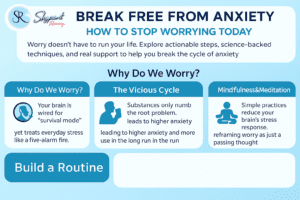
If you’ve been searching for how to stop worrying, the first step is understanding why the mind spirals. Learning how to stop worrying feels impossible when your brain treats every small problem like a five-alarm fire. But here’s something most people don’t realize: worry is a habit, and like any habit, you can change it.

Your racing thoughts don’t define you. They’re patterns your brain learned to keep you “safe,” even though they’re actually making life harder. The good news? You can teach your mind new tricks, starting today.

Why Do We Worry? Understanding the Roots of Anxiety

Your brain evolved to keep you alive, which means it’s constantly scanning for threats. Thousands of years ago, this hypervigilance helped humans avoid predators and survive harsh conditions. Today, that same system treats a work deadline like a charging tiger.

Worry becomes problematic when it shifts from occasional concern to constant background noise. You might find yourself creating worst-case scenarios about situations that haven’t happened yet. Maybe you replay conversations, analyzing every word for hidden meanings. Or perhaps you lie awake at night thinking about all the ways tomorrow could go wrong.

Addiction and anxiety share a complicated relationship. Many people discover they started using substances to quiet their anxious thoughts. Alcohol might have made social situations feel manageable. Prescription pills could have provided temporary relief from panic attacks. But what starts as self-medication often becomes its own problem.

Common anxiety triggers include major life changes like starting a new job, relationship conflicts, financial stress, and health concerns. For people in recovery, additional stressors might include rebuilding relationships, finding new social circles, or learning to cope with emotions without substances.

The Vicious Cycle of How Worry Fuels Addiction 

Picture this: you feel anxious about a work presentation, so you have a few drinks to calm your nerves. The alcohol works temporarily, giving you confidence and easing the physical symptoms of anxiety. Your brain remembers this “solution” and suggests it again next time anxiety strikes.

Over time, substances stop being effective anxiety management tools. Alcohol disrupts sleep patterns, making you more emotionally fragile. Stimulants can trigger panic attacks. Even marijuana, which many people use for anxiety, can increase paranoid thoughts with regular use.

The withdrawal process often intensifies anxiety symptoms. Your brain’s chemical balance is disrupted, leaving you feeling more vulnerable to worry and panic than before you started using. This creates a dangerous cycle where anxiety drives substance use, which worsens anxiety, which drives more substance use.

Breaking this pattern requires addressing both issues simultaneously. You can’t effectively manage anxiety while actively using substances that disrupt your brain chemistry. Similarly, maintaining sobriety becomes much harder when untreated anxiety makes every day feel overwhelming.

Mindfulness and Meditation Are Your Secret Weapons Against Worry

Mindfulness for anxiety works by changing your relationship with thoughts. Instead of fighting anxious thoughts or trying to eliminate them, mindfulness teaches you to observe them without judgment. Think of your thoughts like clouds passing through the sky rather than storms you need to battle.

Research shows that regular meditation practice actually changes brain structure. The amygdala, which triggers fight-or-flight responses, becomes less reactive. Meanwhile, the prefrontal cortex, responsible for rational thinking, gets stronger. These changes happen relatively quickly, with some studies showing benefits after just eight weeks of practice.

Start with simple breathing exercises. Find a comfortable position and focus on your breath for five minutes. When your mind wanders to worries, gently redirect attention back to breathing. You’re not trying to stop thoughts completely; you’re building the mental muscle that helps you choose what deserves your attention.

Progressive muscle relaxation offers another entry point into mindfulness. Tense and release each muscle group, starting with your toes and working up to your head. This technique helps you recognize the difference between tension and relaxation, making it easier to catch anxiety in your body before it overwhelms your mind.

Build a Worry-Busting Routine

Anxiety thrives in chaos but struggles against consistent routine for mental health. When your days follow predictable patterns, your nervous system can relax instead of constantly preparing for the unknown. Structure doesn’t mean rigid scheduling; it means creating reliable anchors throughout your day.

Morning routines set the tone for everything that follows. Maybe you start each day with ten minutes of journaling, a healthy breakfast, and a brief walk. Evening routines help your brain wind down naturally. Perhaps you put away screens an hour before bed, do some light stretching, and read a few pages of a book.

Sleep schedules deserve special attention because poor sleep makes anxiety worse. Try going to bed and waking up at the same time every day, even on weekends. Create a bedroom environment that promotes rest by keeping it cool, dark, and quiet.

Build flexibility into your routines so they support you instead of becoming another source of stress. If you miss your morning meditation, don’t abandon the whole day. Simply return to your routine with the next opportunity.

Therapy Works: Cognitive Behavioral Therapy (CBT) and More

Cognitive Behavioral Therapy teaches you to identify and challenge the thought patterns that fuel anxiety. CBT operates on the principle that thoughts, feelings, and behaviors are interconnected. Change one element, and the others shift too.

For example, if you think “I’m going to embarrass myself at this meeting,” you’ll likely feel anxious and might avoid the meeting altogether. CBT helps you examine this thought objectively. What evidence supports this belief? What evidence contradicts it? What would you tell a friend having the same worry?

Thought records are practical CBT tools you can use immediately. When anxiety spikes, write down the situation, your emotions, and the thoughts running through your head. Then challenge those thoughts with questions like “Is this thought helpful?” and “What’s a more balanced way to view this situation?”

Anxiety Support Groups provide additional layers of healing. Hearing others share similar struggles reduces isolation and shame. Group members often offer practical strategies they’ve discovered through their own recovery journeys. The accountability that comes with regular attendance helps maintain progress during difficult periods.

Move Your Body, Calm Your Mind

Physical activity burns off stress relief hormones like cortisol and adrenaline while releasing endorphins that improve mood naturally. You don’t need intense workouts to see benefits. Even gentle movement like walking can interrupt anxiety spirals and provide mental clarity.

Exercise also offers built-in mindfulness practice. When you focus on your breathing during a run or concentrate on proper form during strength training, you’re practicing present-moment awareness. These skills transfer directly to managing anxious thoughts.

Choose activities you actually enjoy rather than forcing yourself through workouts you hate. Dancing, hiking, swimming, yoga, or playing recreational sports all count. The best exercise is the one you’ll do consistently.

Regular movement improves sleep quality, which creates a positive cycle for anxiety management. Better sleep leads to better emotional regulation, which makes it easier to stick with healthy habits like exercise.

Creative Outlets and Journaling: Express, Release, Heal

Journaling for anxiety serves multiple purposes. Writing down worries gets them out of your head, where they tend to loop endlessly. The physical act of forming words with pen and paper engages different parts of your brain than ruminating does.

Try stream-of-consciousness writing when anxiety feels overwhelming. Set a timer for ten minutes and write continuously without stopping to edit or organize thoughts. This technique helps discharge emotional energy and often reveals patterns you hadn’t noticed.

Gratitude journaling shifts focus from what’s wrong to what’s working. Each day, write down three things you’re grateful for, no matter how small. This practice literally rewires your brain to notice positive aspects of life more readily.

Creative activities like drawing, music, or crafts provide healthy ways to process emotions. You don’t need artistic talent to benefit from creative expression. The goal is emotional release, not producing masterpieces.

Build Your Support System

Isolation feeds anxiety while connection starves it. Human beings are wired for community, and trying to manage mental health challenges alone often backfires. Building a support network takes time and intention, but the investment pays enormous dividends.

Start by identifying people in your life who make you feel heard and understood. These might be family members, friends, coworkers, or neighbors. Practice reaching out when you’re struggling instead of waiting until you feel better.

Anxiety support groups connect you with people who truly understand what you’re experiencing. Online and in-person options are available, making it easier to find groups that fit your schedule and comfort level.

Consider that supporting others can be just as healing as receiving support. When you offer encouragement to someone else struggling with anxiety, you reinforce your own recovery and build meaningful connections.

When to Seek Professional Help

Occasional worry is normal, but persistent anxiety that interferes with daily life deserves professional attention. If you find yourself avoiding activities you used to enjoy, having trouble sleeping for weeks at a time, or experiencing physical symptoms like chest pain or shortness of breath, reaching out for help is wise.

How to stop worrying sometimes requires more support than self-help strategies can provide. This doesn’t represent personal failure; it means you’re taking your mental health seriously enough to get appropriate care.

Professional treatment becomes especially important when anxiety and substance use intersect. Addressing both issues simultaneously with qualified professionals provides the best chance for lasting recovery and peace of mind.

Your Path to Peace Starts Here

Breaking free from constant worry starts with small, consistent actions. Pick one or two strategies from this article and commit to trying them for a week. Maybe you’ll start with five minutes of morning breathing exercises and a brief evening gratitude practice.

Remember that progress isn’t linear. Some days will feel easier than others, and that’s completely normal. The goal is building skills and habits that support long-term mental health, not achieving perfect anxiety-free living.

You don’t have to figure this out alone. Akron’s addiction treatment professionals understand the connection between anxiety and substance use. If you’re ready to address both issues with comprehensive support, Skypoint Recovery offers programs designed to help you build lasting skills for managing worry and maintaining sobriety.

Our team helps people figure out which program fits their needs and what financial options are available. Learning how to stop worrying becomes much more manageable when you have professional guidance and peer support. Whether you fill out our online form or call 330-919-6864, taking that first step toward help is an act of courage that your future self will thank you for.

Recovery from addiction is hard but possible.

How Long Does It Take to Break an Addiction? A Realistic Timeline for Recovery

Recovery isn’t one-size-fits-all. Learn the real timeline for breaking addiction, why it’s more marathon than sprint, and how Skypoint Recovery can help you cross the finish line.

How long does it take to break an addiction

The Myth of “21 Days”: Why Breaking Addiction Takes More Than Willpower

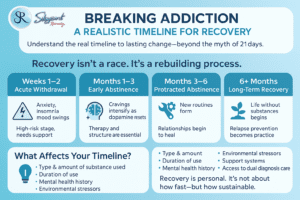
Some say it takes 21 days to form a habit. That might apply to drinking more water or taking the stairs, but not to breaking drug addiction or alcohol dependence. When you’re up against a cycle that’s wired into your brain and tied to pain, trauma, and repetition, you’re rewiring your entire nervous system.

Addiction affects the brain’s reward system, stress response, and decision-making pathways. Even after someone stops using, the brain continues healing for months, sometimes years. That’s why breaking an addiction takes more than grit. It takes structure, support, and time.

Understanding the Stages: What Happens as You Break Free

No two people walk the exact same path, but most go through five major stages of addiction recovery. These stages reflect shifts in mindset and behavior, not just time on a calendar.

  • Pre-contemplation: Not ready to change yet, even if others are concerned.
  • Contemplation: Thinking about it. Maybe even Googling articles like this one.
  • Preparation: You’re gathering information, considering treatment, and weighing options.
  • Action: You’ve taken the leap. This is where therapy, support, and structure begin.
  • Maintenance: You’re rebuilding life with healthier habits and staying vigilant.

Each stage brings emotional highs and lows. Early on, anxiety and withdrawal symptoms may be overwhelming. Later, boredom and overconfidence can trigger setbacks. Understanding where you are (and what comes next) is key to staying grounded.

The Realistic Timeline: What to Expect Week by Week and Month by Month

You can’t set a stopwatch on addiction recovery timeline. But you can understand its phases.

Weeks 1–2: Acute Withdrawal

This is the toughest stretch. The body reacts to the absence of substances with anxiety, insomnia, and mood swings. Whether it’s alcohol addiction recovery or stimulant use, the first days are about stabilization and support.

Months 1–3: Early Abstinence

Cravings can spike as the brain’s dopamine levels slowly stabilize. This is a high-risk time for relapse. You’re learning to navigate triggers without numbing them.

Months 3–6: Protracted Abstinence

New routines take shape. Sleep improves. Relationships begin healing. But the brain is still vulnerable. This is where structure matters: outpatient addiction treatment and sober housing help prevent drift.

6 Months and Beyond: Long-Term Recovery

Life gets fuller and more complex. You’re growing, but also facing normal stress without a buffer. Relapse prevention becomes a practice, not a rulebook.

What affects the timeline?

  • Type and amount of substance used
  • Length of time using
  • Mental health history
  • Family or environmental stress
  • Personal support system
  • Access to care like Dual Diagnosis Treatment

Why Professional Support Makes All the Difference

You don’t have to map out recovery alone. While some people attempt to self-manage, the reality is, support works better.

Therapy helps you untangle the emotional roots of addiction. Group settings provide peer encouragement. And structured programs like PHP or IOP make sure you’re not just stopping use, but building a new life.

At each stage, support means different things. For some, it’s a daily schedule. For others, it’s the quiet consistency of sober living. Recovery means healing.

Relapse Isn’t Failure: Staying on Track for the Long Haul

Relapse isn’t rare. It’s part of the path for many. It can feel defeating, but it’s not the end. It’s feedback.

Here’s how people build strength after setbacks:

  • Naming the trigger: Was it stress? Loneliness? Overconfidence?
  • Doubling down on therapy and accountability
  • Rebuilding healthy routines and cutting ties with high-risk environments

What matters is how you respond. Real growth often happens in the comeback, not the climb.

Ready to Start Your Journey? Why Skypoint Recovery Is Akron’s Choice

Recovery happens in community, not isolation. Skypoint Recovery in Akron, Ohio understands that, “How long does it take to break an addiction” isn’t the right question. The better question is: “What support do I need to make this journey sustainable?”

Our holistic approach recognizes that every person’s path looks different. Whether you need the structure of a Partial Hospitalization Program, the flexibility of an Intensive Outpatient Program, or the community that sober living offers, they meet you where you are.

Skypoint Recovery works with Medicaid insurance and helps people figure out their financial options. The staff understands that asking for help takes courage, and they’re committed to removing barriers that keep people from getting treatment.

Breaking addiction is possible, and you don’t have to do it alone. The first step is reaching out. Whether you fill out our online form or call 330-422-4947, someone is ready to help you figure out your next move. Your recovery timeline starts with that first conversation.

detox supplements

Detox Supplements: Do They Really Work and Are They Safe for Your Body?

Curious about detox supplements? Discover what science says, the risks and benefits, and how to support your body safely on your recovery journey.


What Are Detox Supplements and Why Are They Popular?

Detox supplements come in many forms: pills, powders, herbal teas, vitamins, and minerals. They’re marketed as quick solutions for removing toxins from the body. These products appeal to people in recovery because they often promise rapid symptom relief, clearer thinking, and a cleaner slate—physically and mentally.

But here’s the catch: the popularity of drug detox supplements has less to do with science and more to do with the rise of wellness culture. For people going through addiction recovery, the idea of speeding up healing with natural detox remedies can be tempting. After all, who wouldn’t want to feel better faster?

The Science Behind Detox: How Does Your Body Really Remove Toxins?

Your body already has a built-in detox system. Your liver, kidneys, lungs, and digestive tract work 24/7 to remove waste and harmful substances. That process doesn’t stop just because you’re in recovery. It just might need extra support.

In medical terms, “detox” refers to the body breaking down and excreting toxins through natural functions. It’s not about flushing your system with expensive powders. One big misconception is that supplements can do the detoxing for you. In reality, your organs do the heavy lifting.

Do Detox Supplements Actually Work?

Most detox supplements don’t hold up well under scientific scrutiny. While some people report feeling better, that may be due to other lifestyle changes or the placebo effect.

However, certain addiction recovery supplements have shown promise when used responsibly:

  • Multivitamins: Fill in nutritional gaps caused by substance use
  • Omega-3s: Support brain function and emotional balance
  • Magnesium: Eases muscle tension and improves sleep
  • Probiotics: Boost gut health, which affects overall mood and immunity
  • Amino acids: Help restore neurotransmitter balance
  • Milk thistle and zinc: Provide gentle liver detox support
  • Adaptogens (like ashwagandha or rhodiola): Manage stress levels

These supplements can aid in holistic addiction treatment—but they won’t “cleanse” your body overnight. Supporting recovery is very different from claiming to erase all toxins.

Are Detox Supplements Safe: Risks and Red Flags

Supplements aren’t regulated like medications. That means their safety isn’t always guaranteed. Some products contain unknown or harmful ingredients. Others might interact with medications or place extra stress on your liver—the organ you’re likely trying to support.

Here are some safety tips:

  • Beware of miracle claims or “instant detox” promises
  • Check for third-party testing or certifications
  • Talk to a healthcare provider before starting anything new

The myth that all natural detox remedies are safe is dangerous. Even “natural” substances can cause serious side effects.

How Can Supplements Support Addiction Recovery When Used Safely?

Substance use depletes your body of essential nutrients in multiple ways. Alcohol interferes with vitamin absorption, stimulants suppress appetite leading to malnutrition, and many substances disrupt sleep patterns that allow for cellular repair. Your body genuinely needs extra support during recovery, but this support looks different than what supplement marketing suggests.

Vitamins for detox can play a helpful role when chosen wisely and used under professional guidance. A high-quality multivitamin addresses widespread deficiencies without requiring guesswork about which specific nutrients you’re lacking. Omega-3 supplements support brain health during the critical early recovery period when mood swings and cognitive challenges are common.

Magnesium can ease the muscle tension and sleep difficulties that make early recovery more challenging. Quality probiotics help restore the gut microbiome often disrupted by substance use, which can improve both physical comfort and mood stability.

Amino acid supplements may support neurotransmitter production, potentially easing some of the brain chemistry imbalances that contribute to cravings and mood difficulties. Adaptogenic herbs might help your body manage stress more effectively during the challenging adjustment period.

The most important factor is personalization. What works for one person might be unnecessary or even harmful for another. Medical supervision helps determine which supplements might actually benefit your specific situation rather than following generic protocols or marketing recommendations.

Detoxing the Right Way and Why Professional Care Matters

Trying to detox on your own with supplements can backfire. Without guidance, even well-meaning efforts can lead to complications.

At this stage, professional support makes a world of difference. In programs like Partial Hospitalization (PHP), Intensive Outpatient (IOP), and sober living, nutritional support is integrated into a broader plan.

That means:

  • Supplements are used with oversight
  • Medical staff monitor progress
  • Care adjusts as your body heals

This kind of structure is critical, especially for people seeking safe detox methods that go beyond quick fixes.

Ready to Start Your Recovery Journey?

If you’re exploring detox supplements as part of your healing process, it’s important to remember that no pill replaces a plan.

At Skypoint Recovery, we offer more than just advice—we offer a path forward. Whether you’re joining a PHP or IOP, or transitioning into sober living, our team brings structure, compassion, and real guidance. We support your recovery with options that include nutritional guidance and holistic addiction treatment—all within a safe, supportive environment in Akron addiction recovery.

We accept Medicaid insurance, and we’ll help you figure out your financial options.

Call us at 330-756-7667 or fill out our online form to learn more. It’s never too late to take the next step.