Art has a way of speaking when words fail. It unlocks emotions, fosters healing, and provides an outlet for self-discovery. For those on the road to sobriety, art therapy offers a unique and powerful way to process emotions and build resilience.
How Art Therapy Supports Addiction Recovery
There’s a moment in recovery when words feel insufficient. The weight of past mistakes, the exhaustion of starting over, the ache of loneliness—how do you explain feelings that feel bigger than language itself? This is where art therapy steps in, not demanding perfect explanations, just the courage to create. Art Therapy for addiction recovery is more than just painting and drawing—it’s an unfiltered expression of pain, hope, and everything in between. A blank canvas becomes a playground for emotions too tangled to be spoken. Clay molded between fingers takes shape just as life itself starts to reshape. Colors, textures, and movement work in ways that words sometimes fail to.
The Benefits of Art Therapy for Addiction Recovery
Art therapy is a powerful tool that supports substance abuse recovery by fostering creative expression and promoting emotional healing. It provides individuals with a safe, non-verbal way to process complex emotions and regain a sense of self.
1. Creative Expression as a Healing Tool
Imagine standing in front of a canvas, brush in hand, your mind a chaotic storm of thoughts. At first, hesitation creeps in—what if it doesn’t look good? What if it doesn’t make sense? But then, something shifts. A stroke of blue, a streak of red, and suddenly the unspoken begins to take form. Art therapy allows individuals to pour their emotions onto a surface, transforming internal battles into something tangible. It is a release, a revelation, a declaration that healing is happening, one brushstroke at a time.
2. Emotional Healing Through Art
Many who struggle with addiction have spent years suppressing emotions, numbing themselves against memories too painful to revisit. But avoidance only feeds the cycle. In art therapy, there is no need to explain. The act of creating allows those emotions to surface in a way that feels safe. A lump of clay can hold the weight of anger; a collage of torn magazine pages can reflect fragmented memories waiting to be pieced together. The process itself is what heals—not perfection, not explanation, just the act of releasing emotions through creation.
3. Therapeutic Techniques That Promote Mindfulness
Mindfulness in art feels different than mindfulness in meditation. It’s the deep focus of tracing charcoal against paper, the rhythmic repetition of weaving, the slow, intentional shaping of clay. These small acts pull people into the present moment, away from past regrets and future anxieties. Art therapy teaches patience, self-acceptance, and the power of being fully engaged in something outside of addiction’s grasp.
4. Building Resilience and Self-Esteem
Addiction takes. It takes confidence, relationships, health, and time. Recovery is the slow process of taking life back. Art therapy helps rebuild that confidence. Picture someone who hasn’t felt proud of themselves in years suddenly stepping back to admire their finished painting—a tangible proof of their ability to create something beautiful. Each finished piece reinforces self-worth. It’s not about being an artist; it’s about reclaiming the belief that they are capable of change, of growth, of healing.
5. Strengthening the Recovery Journey
Recovery isn’t linear. There are setbacks, moments of doubt, days when the urge to escape feels overwhelming. Art therapy provides an anchor. When words won’t come, when talking feels exhausting, creativity offers another way forward. A journal filled with sketches, a sculpture shaped from frustration, a song written in the middle of the night—these creations become reminders of progress. They hold the evidence of resilience.
Types of Art Therapy Techniques in Addiction Recovery
Art therapy offers various techniques that help individuals in different stages of substance abuse recovery. These methods provide an outlet for creative expression, promote emotional healing, and support a holistic recovery journey.
Visual Arts
Painting & Drawing: Best suited for the early stages of addiction recovery, painting and drawing help individuals who struggle to verbalize emotions. The act of applying color to paper mirrors the process of untangling internal chaos. Research suggests that structured art activities can reduce anxiety and increase emotional clarity, making them particularly useful for those experiencing withdrawal symptoms.
Sculpting: In the mid-to-late stages of recovery, sculpting can be a grounding experience. Shaping clay requires focus and patience—skills that are often disrupted by addiction. The hands-on nature of sculpting also builds a connection between mind and body, reinforcing the idea of control and transformation.
Collage: As people move forward in recovery, collages offer a way to reflect on their journey. By piecing together images, words, and textures, individuals create a visual representation of their past, present, and future. This process aids in cognitive restructuring and provides insight into personal growth.
Expressive Writing
Journaling: A practice that can be beneficial at any stage, journaling allows for raw, unfiltered self-reflection. Writing down thoughts, emotions, and experiences makes them easier to process. Studies show that expressive writing can help reduce stress and improve emotional regulation.
Poetry: In the mid-stages of recovery, poetry serves as a structured yet flexible way to explore emotions. The rhythm, metaphor, and imagery in poetry can unlock deeper self-awareness and offer comfort in difficult moments.
Storytelling: Later in recovery, storytelling helps individuals reclaim their personal narrative. Shaping experiences into a cohesive story reinforces a sense of identity and agency.
Movement-Based Expression
Dance Therapy: Movement helps release emotions stored in the body. In early recovery, when anxiety and restlessness are high, dance therapy can provide relief and a way to channel energy positively.
Music Therapy: Suitable for all stages, music therapy provides both an emotional outlet and a source of comfort. Whether through listening, playing instruments, or songwriting, music can act as a companion through the highs and lows of recovery.
Drama Therapy: Later in recovery, drama therapy helps individuals explore emotions, practice new ways of thinking, and build confidence in social interactions.
Find Healing Through Creativity at Skypoint Recovery
At Skypoint Recovery, we believe in the power of art therapy for addiction recovery. Our holistic approach helps individuals find strength, resilience, and healing through creative expression. Whether through painting, journaling, or movement-based therapy, we offer a safe space for emotional growth and self-discovery.
Recovery is more than abstinence—it’s the process of rebuilding a life. Art therapy provides a way to navigate that journey with depth, meaning, and creativity. If you or a loved one is seeking support on the recovery journey, we’re here to help.
Contact us today at 855-612-3488 or fill out our confidential online form to learn more about our programs and find the path to healing through creativity. Recovery is possible, and Skypoint Recovery is here to guide you every step of the way
The workplace should be a place of growth, success, and collaboration. But for many, it’s also a battlefield where stress, exhaustion, and anxiety push them toward unhealthy coping mechanisms. You might not notice it at first—a coworker who seems unusually energetic one day and distant the next, a manager who always has a drink in hand at company events, an employee who calls in sick more often than not. Substance abuse at work is not just a problem for the individual—it’s a ripple effect that touches everyone around them.
Imagine sitting across from your best friend at work, someone you’ve known for years, but lately, something seems off. They’re more irritable, they take long breaks, and their once-sharp mind seems clouded. You want to ask what’s wrong, but you hesitate, unsure of how to help. This is the reality many professionals face—watching colleagues, friends, and even family members slip into the grip of addiction, unsure of how to reach out.
Understanding the most commonly abused drugs in the workplace isn’t just about statistics; it’s about recognizing the silent struggles happening around us every day.
Why Do Employees Turn to Drugs?
Workplace substance abuse doesn’t come out of nowhere. It often begins as a whisper—just a way to stay awake a little longer, take the edge off after a tough day, or ease the relentless anxiety of meeting impossible expectations. What starts as an occasional escape can spiral into a dependency that’s difficult to break.
1. The Unrelenting Pressure to Perform
Picture an overworked parent juggling a demanding corporate job and home responsibilities. They’re exhausted, drained, and desperate to keep up. A coworker suggests a prescription stimulant, saying it helps with focus and energy. At first, it seems like a lifesaver—until it becomes something they rely on just to function.
2. The Weight of Workplace Expectations
In high-pressure jobs, failure is not an option. Whether it’s a lawyer trying to meet billable hours, a surgeon expected to be alert for long procedures, or a financial analyst pulling all-nighters before a major deadline, the demand to be at peak performance never fades. For many, substances become a way to keep up with the impossible.
3. The Culture of Alcohol and Social Acceptance
For some, substance use doesn’t start with a need to cope—it starts with fitting in. Think of the after-work drinks that quickly become routine, the office parties where alcohol flows freely, the unwritten rule that networking happens over cocktails. Over time, social drinking can shift from casual to necessary, making alcohol one of the most normalized addictions in professional settings.
4. The Pain That Goes Unnoticed
Physical laborers, nurses, first responders—those whose jobs take a toll on their bodies—often start with painkillers prescribed for legitimate reasons. But as the pain persists, so does the need for relief. What was once a temporary fix becomes a dependency they can’t break free from.
These stories aren’t just hypotheticals. They reflect the hidden struggles of countless individuals who never expected to face addiction.
Commonly Abused Drugs in Professional Settings
Understanding which substances are most frequently misused in the workplace can help us recognize the warning signs and extend a helping hand before it’s too late.
1. Prescription Stimulants: The High Cost of High Performance
Drugs like Adderall and Ritalin are often misused by professionals who need an extra boost to power through long hours. They promise heightened focus and endurance—but at what cost? Over time, these stimulants disrupt sleep patterns, increase anxiety, and create a dependency that’s hard to shake.
2. Opioids: The Invisible Epidemic
Painkillers like oxycodone and hydrocodone are frequently misused, especially in physically demanding jobs. A construction worker with chronic back pain or a nurse constantly on their feet may turn to these medications just to get through the day. But dependence creeps in quietly, making withdrawal unbearable and recovery feel impossible.
3. Alcohol: The Socially Acceptable Crutch
Alcohol is everywhere—in team celebrations, client meetings, even casual lunches. What starts as a drink to take the edge off can lead to reliance, with professionals unknowingly slipping into dependency. It’s legal, it’s available, and it’s devastatingly easy to abuse.
4. Benzodiazepines: A Prescription for Escape
Anti-anxiety medications like Xanax and Valium offer relief from stress, but they also bring a haze that makes it difficult to function without them. What was once a lifeline during tough times can become a chain that’s impossible to break.
5. Cocaine and Stimulants: The Illusion of Control
Used for its euphoric and energizing effects, cocaine is a drug often found in industries where high-energy networking and long hours are the norm. But the temporary rush soon gives way to paranoia, aggression, and dangerous compulsive use.
Breaking the Cycle: Addressing Drug Abuse in the Workplace
If you’ve ever watched someone you care about struggle with addiction, you know how heartbreaking it is. The denial, the isolation, the shame—it doesn’t just affect them; it affects everyone around them. But there’s hope. Breaking the cycle of substance abuse starts with compassion, awareness, and action.
1. Creating a Culture of Support, Not Judgment
No one starts using substances with the intention of becoming dependent. Workplaces need to foster an environment where employees feel safe admitting they need help without fear of stigma or career repercussions.
2. Encouraging Honest Conversations
A simple, “Are you okay?” can open the door for someone to seek support. Employers and colleagues alike should normalize discussions around mental health, stress management, and coping mechanisms.
3. Providing Access to Professional Help
Companies should invest in Employee Assistance Programs (EAPs), providing counseling, therapy, and rehabilitation support. Knowing that help is available can make the difference between suffering in silence and taking the first step toward recovery.
4. Offering Alternatives for Stress Relief
Encouraging healthier coping mechanisms—such as meditation programs, wellness activities, and flexible work schedules—can provide employees with alternative ways to manage stress without resorting to substance use.
Hope and Healing Are Possible
If you recognize these struggles in yourself or a loved one, know that you’re not alone. Substance abuse is a battle, but it’s one that can be won with the right support. At Skypoint Recovery, we offer compassionate, evidence-based treatment to help individuals reclaim their lives.
Your loved one doesn’t have to suffer in silence. Help is available, and healing is possible.
Addiction is a relentless cycle, gripping the mind and body with cravings and withdrawal symptoms that make recovery feel impossible. But there’s hope. Medication-Assisted Treatment (MAT) is transforming addiction care by providing a comprehensive, evidence-based approach that addresses both the physical and psychological aspects of substance use disorders.
At Skypoint Recovery, we believe in a whole-person approach to healing. MAT combines FDA-approved medications with counseling and behavioral therapies to create a pathway to sustainable sobriety. But is it the right choice for you? Let’s explore how MAT works and whether it could be the key to your recovery journey.
What Is Medication-Assisted Treatment?
Medication-assisted treatment is an approach to addiction recovery that uses medications to stabilize brain chemistry, relieve withdrawal symptoms, and curb cravings. It is most commonly used for opioid and alcohol use disorders but can also be beneficial for other substance dependencies.
How MAT Works
Unlike traditional abstinence-based methods, MAT does not require patients to quit substances cold turkey. Instead, it allows for a gradual transition toward sobriety under medical supervision. This reduces the risk of relapse, increases treatment retention rates, and provides a safer withdrawal process.
The three main types of medications used in MAT include:
Opioid Use Disorder Medications: Methadone, Buprenorphine (Suboxone®), and Naltrexone
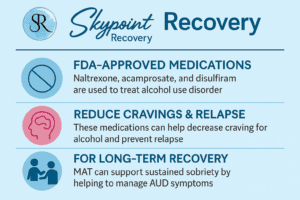
Alcohol Use Disorder Medications: Naltrexone, Disulfiram, and Acamprosate
Stimulant and Other Substance Use Medications: While no FDA-approved MAT drugs specifically target stimulant use disorder, some medications are used off-label for symptom management.
Each medication serves a different function, from reducing cravings to blocking the euphoric effects of substances. However, MAT is most effective when paired with counseling and behavioral therapies, ensuring a comprehensive recovery plan.
The Benefits of MAT in Addiction Recovery
Medication-Assisted Treatment offers numerous benefits, helping people overcome substance use disorders in a structured and medically supervised way. Here are some of the most significant advantages:
1. Eases Withdrawal Symptoms and Reduces Cravings
One of the most challenging aspects of quitting substance use is the withdrawal process. Symptoms like nausea, muscle pain, anxiety, and severe cravings can make detox difficult to endure. MAT provides relief by using medications that stabilize brain chemistry, allowing people to gradually transition into sobriety with minimal discomfort.
2. Reduces the Risk of Overdose
For opioid and alcohol users, the risk of overdose is a constant threat. MAT medications help reduce this danger by either blocking the euphoric effects of substances or controlling physical dependency in a regulated manner. By keeping people engaged in treatment and reducing illicit drug use, MAT saves lives.
3. Increases Treatment Retention and Long-Term Success
People undergoing MAT are more likely to remain in treatment programs than those using behavioral therapy alone. This increased retention provides a greater opportunity for people to develop long-term coping mechanisms, rebuild relationships, and improve their overall well-being.
4. Supports Mental Health and Emotional Well-Being
Many people with substance use disorders also struggle with co-occurring mental health conditions like anxiety, depression, or PTSD. MAT helps stabilize mood swings and reduces emotional distress, making it easier for patients to participate in therapy and other recovery activities.
5. Encourages Lifestyle Stability and Reduces Risky Behaviors
Substance use disorder often leads to instability in employment, housing, and personal relationships. By curbing cravings and reducing withdrawal effects, MAT allows people to focus on improving their daily lives, securing jobs, rebuilding family bonds, and avoiding risky behaviors like unsafe drug use.
6. Provides a Personalized Approach to Recovery
No two recovery journeys are alike. MAT allows treatment providers to tailor medications and dosages to meet each person’s needs, ensuring they receive the most effective support for their unique situation.
Addressing Common Concerns About MAT
Despite its effectiveness, some people have concerns about medication-assisted treatment. Here are a few common myths—debunked.
1. “MAT Just Replaces One Addiction with Another.”
While MAT does involve medication, it is not the same as active substance use. The medications used in MAT are prescribed and monitored by medical professionals, ensuring they are used safely and effectively.
2. “I’ll Have to Take Medication Forever.”
MAT is not necessarily a lifelong treatment. Some people may use MAT for months or years, while others may taper off with medical guidance. The goal is always long-term recovery and stability.
3. “MAT Means I’m Not Really in Recovery.”
Recovery is not one-size-fits-all. Many people achieve lasting sobriety with MAT as part of their treatment plan. It’s about what works best for the person.
The Role of Therapy in Medication-Assisted Treatment
While medication can be a powerful tool, it is not a cure-all. Successful MAT programs integrate therapy to address the underlying causes of addiction, equip patients with coping skills, and build resilience. At Skypoint Recovery, we take a comprehensive approach by offering:
1. Cognitive Behavioral Therapy (CBT)
CBT helps people identify negative thought patterns and replace them with healthier, more constructive behaviors. This evidence-based therapy is crucial in helping patients develop effective coping strategies to manage triggers and prevent relapse.
2. Person and Group Counseling
Personalized counseling allows people to explore their unique challenges and set meaningful recovery goals. Group therapy fosters a sense of community, providing peer support and shared experiences that reinforce motivation and accountability.
3. Family Therapy
Addiction doesn’t just affect people—it impacts entire families. Family therapy helps mend strained relationships, educates loved ones on addiction recovery, and creates a supportive environment that encourages healing.
4. Holistic Therapies for Mind and Body
In addition to traditional counseling, holistic approaches like yoga, meditation, nutrition counseling, and physical exercise play a vital role in promoting overall well-being. These therapies help manage stress, improve mental clarity, and reinforce a healthy lifestyle.
5. Relapse Prevention Planning
Long-term recovery requires ongoing support and preparation. At Skypoint Recovery, we help people develop comprehensive relapse prevention plans, equipping them with the tools needed to navigate challenges and maintain sobriety.
Is MAT the Right Choice for You?
If you or a loved one is struggling with substance use disorder, medication-assisted treatment may be an option worth considering. It is particularly beneficial for those who:
Have experienced multiple relapses
Struggle with severe withdrawal symptoms
Need additional support to manage cravings
Have co-occurring mental health disorders
A consultation with an addiction specialist can help determine if MAT aligns with your recovery goals.
Work With Us
At Skypoint Recovery, we offer a compassionate, evidence-based approach to addiction treatment. Our medication-assisted treatment program is tailored to meet the unique needs of each person, providing the tools and support necessary for lasting recovery.
Are you ready to take control of your life? Fill out our confidential online form today to learn more about our MAT program and start your journey to healing. All Ohio Medicaid accepted.
Outpatient treatment is gaining traction as a flexible and effective approach to recovery, but it comes with its own set of unique challenges that patients must navigate.
In recent years, outpatient treatment programs have gained significant traction as a preferred option for individuals seeking recovery from addiction. These programs offer a unique blend of flexibility, cost-effectiveness, and real-world application, making them a viable alternative to traditional inpatient care. For many, outpatient treatment feels like a breath of fresh air—a chance to reclaim their lives without completely stepping away from their everyday routines. Let’s explore the benefits and challenges of outpatient care and why it is becoming a cornerstone of modern recovery approaches.
Understanding Outpatient Treatment
Imagine living at home, surrounded by familiar sights and sounds, while also receiving structured therapy and support to overcome addiction. This is the essence of outpatient treatment—a program that blends the stability of home life with the professional care of addiction specialists. Unlike inpatient programs, outpatient treatment allows participants to maintain their daily routines, like going to work or attending classes, while attending therapy sessions during scheduled hours. For those who don’t need constant supervision, this can feel empowering and liberating.
Outpatient treatment programs, like those offered by Skypoint Recovery, are designed to address the diverse needs of patients. They include services such as individualized treatment plans, dual diagnosis support, and integration of telehealth services, ensuring that recovery feels personal and accessible.
The Benefits of Outpatient Treatment
1. Flexibility in Scheduling
One of the most significant advantages of outpatient programs is their ability to fit into a patient’s existing lifestyle. Picture someone juggling therapy appointments with work meetings or picking up their kids from school—outpatient treatment makes it possible. This flexibility allows patients to focus on recovery without feeling like they’re putting their entire life on hold.
2. Cost-Effective Care
For many, the financial aspect of treatment can feel overwhelming. Outpatient programs are often more affordable than inpatient care, as they don’t include costs for accommodation or round-the-clock staffing. This affordability means that recovery can feel achievable, even for those navigating tight budgets.
3. Real-World Application of Recovery Skills
Imagine learning new coping strategies in therapy and then immediately testing them in real-life situations—whether it’s managing a tough day at work or navigating family dynamics. Outpatient programs provide this opportunity, helping individuals build resilience and develop long-term recovery skills in their natural environments. Each small victory in the real world reinforces confidence and commitment to sobriety.
4. Privacy and Discretion
The stigma surrounding addiction can feel like a heavy burden, making it hard to take the first step toward help. Outpatient treatment offers a level of privacy and discretion that inpatient care may not. Attending therapy while living at home allows individuals to tackle their challenges without fear of judgment or exposure. In addition, patient privacy is strictly protected under the Health Insurance Portability and Accountability Act (HIPAA). This means that all personal and medical information shared during treatment is safeguarded, giving individuals peace of mind that their journey toward recovery remains confidential and secure.
5. Community Resources and Support Systems
Recovery can sometimes feel like you’re the only one experiencing all of this for the first time, but outpatient programs will connect you with other people that have been through the same thing and survived, as well as community resources, like vocational training and sober living networks. These can help you get the help you need and provide you with practical tools for rebuilding a fulfilling life.
The Challenges of Outpatient Treatment
While outpatient treatment has numerous benefits, it’s important to acknowledge the potential hurdles that patients might face on their recovery journey.
1. Limited Supervision
Outpatient programs require a high level of self-discipline and accountability. Without the constant oversight of inpatient care, staying on track can feel intimidating. However, with structured programming and strong support systems, patients can find the guidance they need to navigate this independence successfully.
2. Balancing Recovery and Daily Life
Balancing therapy sessions with personal and professional responsibilities isn’t always easy. A day might feel like a juggling act, with recovery competing for attention alongside work deadlines and family obligations. Outpatient programs that prioritize individualized treatment plans can help patients find harmony and prevent burnout.
3. Risk of External Triggers
Living at home or in the community during treatment means being surrounded by the very triggers that may have contributed to addiction. It’s not uncommon to feel overwhelmed in these environments. Outpatient programs that offer dual diagnosis support and access to skilled counselors equip patients with the tools to confront and overcome these challenges effectively. Relapse is also another risk that many people are avoiding.
Innovations in Outpatient Treatment
The rise of outpatient care is also fueled by innovations that enhance its effectiveness. Imagine attending therapy from the comfort of your own living room, thanks to telehealth services. This advancement eliminates barriers like transportation and time constraints, making therapy more accessible than ever.
Programs are also focusing on long-term recovery skills, teaching life skills, emotional regulation, and relapse prevention. These components empower individuals to transition into independence with confidence and a clear roadmap for maintaining sobriety.
Overcoming Stigma and Encouraging Recovery
Shame and fear can feel like insurmountable barriers when considering treatment. Many people wrestle with an internal battle, questioning whether they deserve help or fearing judgment from others.
Outpatient programs are designed to break down these walls, offering a compassionate and nonjudgmental environment where recovery feels possible. By fostering a sense of community and emphasizing the courage it takes to seek help, outpatient care creates a safe space for healing.
We Move Forward
Outpatient treatment offers people a chance to rebuild their lives while staying connected to their communities. By addressing concerns about cost, providing flexible scheduling, and offering robust support systems, these programs make recovery feel achievable and sustainable.
If you or someone you know is struggling with addiction, it’s never too late to seek help. Skypoint Recovery is here to guide you through every step of the process. Contact us today by filling out our confidential online form or calling 855-747-463. Recovery is within reach, and you don’t have to face it alone.
Discover how online treatment is revolutionizing the path to sobriety, offering hope and healing from the comfort of your own home.
The landscape of addiction recovery is undergoing a profound transformation. Virtual therapy has emerged as a revolutionary approach, breaking down traditional barriers to treatment and redefining the journey to sobriety. With the integration of advanced technology, individuals battling addiction can now access effective, personalized care from the comfort of their own homes.
This shift is not only changing how treatment is delivered but also expanding its reach to those who may have otherwise struggled to receive support. In this article, we will explore the growing role of virtual therapy in addiction recovery, its benefits, and its potential to transform lives.
Understanding Virtual Therapy for Addiction
Virtual therapy is more than just video calls with a therapist; it’s a comprehensive platform for healing. Through secure online tools, individuals can access:
One-on-one counseling sessions tailored to their unique challenges.
Support groups that foster connection and understanding among peers.
Interactive digital tools like recovery apps and mindfulness exercises.
Take, for example, someone recovering from alcohol addiction who joins weekly online support meetings. These sessions provide a lifeline, offering encouragement and practical strategies in a convenient format. Unlike traditional in-person methods, virtual therapy meets individuals where they are—both literally and emotionally.
The Effectiveness of Virtual Therapy
Remember when getting help meant putting your entire life on hold? Those days are fading. Now, people are finding their way to recovery without having to choose between their responsibilities and their health. A mom of three recently told me she never thought treatment was possible until she discovered she could attend therapy sessions during her kids’ naptime.
The idea of therapy through a screen might feel impersonal at first, but the results tell a different story. Studies show that virtual therapy is just as effective as in-person treatment for many people. Through virtual therapy, many people are able to attend sessions during her lunch break, maintaining their schedule progress without missing a beat. This blend of flexibility and support is why so many find success with online addiction counseling.
You’re in your own space, where you feel safe. No sterile waiting rooms. No awkward small talk. Just you, in your favorite chair, doing the hard work of healing.
The research backs this up. Studies show that people in virtual treatment programs stick with it just as much as those in traditional settings. Sometimes even more. Why? Because when treatment fits into your life instead of disrupting it, you’re more likely to keep showing up.
Benefits of Virtual Therapy in Addiction Recovery
Why is virtual therapy gaining traction? Here are a few key reasons:
Accessibility
For those living in remote areas or juggling busy schedules, virtual therapy eliminates the barriers of distance and time. Picture a single parent who can now attend therapy while their child naps—a scenario made possible by the flexibility of telehealth.
Privacy
Stigma around addiction can be a major obstacle to seeking help. Virtual therapy provides a discreet option, allowing individuals to connect with support without worrying about who might see them walk into a clinic.
Flexibility
Life doesn’t stop for recovery, and virtual therapy understands that. Whether it’s early morning or late evening, scheduling a session has never been easier.
Cost-Effectiveness
Without the expenses of travel or on-site facilities, virtual therapy offers a more affordable alternative—putting quality care within reach for more people.
Think about what that means for someone working two jobs, or living in a rural area, or dealing with anxiety about being seen walking into a treatment center. Virtual therapy isn’t just convenient – it’s revolutionary for these folks. They can log in during lunch breaks, after the kids are asleep, or early in the morning before the day starts.
Does it really work? The simple answer is yes, but with a caveat. Like any form of treatment, you get out what you put in. Virtual therapy gives you tools, support, and guidance, but you still have to do the work. The difference is, you can do that work in a way that makes sense for your life.
The technology piece isn’t as complicated as people fear. If you can use FaceTime or Facebook, you can handle virtual therapy. Privacy is actually better than you might think. Modern platforms are secure, and sessions are completely confidential. Plus, you don’t have to worry about bumping into your neighbor in the parking lot.
Who Can Benefit from Virtual Therapy?
Virtual therapy isn’t one-size-fits-all, but it’s a game-changer for many. Ideal candidates include:
Individuals who thrive in structured yet flexible environments.
Those who live far from treatment centers.
People who balance recovery with work, school, or family obligations.
If you’re unsure whether virtual therapy is right for you, start with a conversation. Therapists can help determine the best fit for your needs.
Combining Virtual and In-Person Care
For some, a hybrid approach is ideal. By combining the accessibility of virtual therapy with occasional in-person sessions, individuals can create a customized recovery plan that evolves with their needs. This flexibility ensures that no matter the circumstances, support is always within reach.
At Skypoint Recovery in Akron, Ohio, we’ve seen firsthand how virtual therapy changes lives. Our program isn’t about replacing human connection with technology – it’s about using technology to make those connections possible for people who might otherwise go without help. We understand that taking the first step is scary, but you don’t have to figure this out alone.
Ready to explore how virtual therapy could work for you? Call us at 855-612-3488 or fill out our online form. Let’s find a way forward that fits your life, not someone else’s idea of what recovery should look like.
Breaking free from addiction can feel like stepping into the unknown. Withdrawal, often the first major hurdle, is tough but also a powerful sign of progress. With the right guidance and tools, this stage can pave the way for lasting recovery.
Understanding Withdrawal
When you’ve relied on a substance for comfort or escape, its absence can be unsettling—physically, emotionally, and mentally. Withdrawal is your body’s way of recalibrating, adjusting to life without the substance it’s grown accustomed to. While the process can feel overwhelming, it’s a natural step on the road to healing.
Substances like alcohol, opioids, benzodiazepines, and stimulants are common culprits of withdrawal. Each one affects the body differently, which means withdrawal experiences vary. Understanding the process can help you prepare and remind you that what you’re feeling is temporary—a sign that your body is finding balance again.
The Withdrawal Timeline
Withdrawal isn’t one-size-fits-all; it unfolds differently for everyone. The acute phase—often the most intense—begins within hours or days of your last use. Symptoms peak but typically start to ease after about a week. For example, someone detoxing from alcohol might experience tremors and sweating, while opioid withdrawal can bring nausea and muscle aches.
Symptoms like anxiety and mood swings may come and go, making recovery feel like an emotional rollercoaster. Factors like your health, the substance involved, and how long you’ve been using it all influence how long withdrawal lasts. It’s important to be patient with yourself during this time.
Common Withdrawal Symptoms
Withdrawal often feels like it has two stages. The first stage is called the acute phase. It usually begins immediately after your last use. Sometimes within just a few hours or days. This is when the physical symptoms hit the hardest. Your body starts recalibrating itself without the use of substances.
Don’t worry, this phase usually doesn’t last longer than a few weeks. The second stage is called Post-Acute Withdrawal Syndrome (PAWS). This is your body’s way of fine-tuning itself, gradually finding a new balance. PAWS can stretch over weeks or even months, but the symptoms are generally less intense. During this time, you might notice signs that your body and mind are continuing to heal, like:
Mood changes
Energy level changes
Sleep disturbances
Memory and concentration issues
Occasional cravings
These symptoms tend to come and go, often feeling like waves. The good news is that they typically become less frequent and less intense over time.
Coping Strategies for Withdrawal
Facing withdrawal is no small task, but you don’t have to do it alone. Medical detox can help you overcome the difficulties you’ll experience during withdrawal. In some cases, doctors might prescribe medications to lessen nausea or help make you sleep more regularly, giving you just the boost you need to start your recovery.
Having a holistic approach is also important. Starting your day with a nourishing meal, taking a walk outside, or practicing mindfulness is as important as any method to cope with withdrawal. Meditation and yoga can help calm your thoughts and bring you moments of peace during the more “difficult” days. Staying hydrated can improve your mood and energy levels.
A strong support network is totally underrated in its effects. Studies confirm that family or friend support can immensely help in the recovery process. It helps you feel like you’re not alone. Sharing your experiences can be incredibly cathartic, and listening to others can provide inspiration and hope. Professional counseling can also offer tools to navigate triggers and build resilience.
The Dangers of Unsupervised Withdrawal
Withdrawal can feel isolating, but tackling it without professional help increases the risks. Cravings, emotional distress, and physical symptoms can spiral, leading to relapse or medical emergencies. For substances like alcohol and benzodiazepines, withdrawal can even be life-threatening without proper care.
Take, for example, the risk of seizures or heart complications. These aren’t just rare possibilities—they’re serious concerns that highlight the importance of medical supervision. With trained professionals by your side, you gain access to interventions that can prevent complications and keep you on track.
Our Approach to Withdrawal Management
At Skypoint Recovery, we understand that your journey is not the same as another person’s. That’s why our treatment plans are tailored to meet your unique needs. We offer medical supervision to manage your withdrawal symptoms.
But our care doesn’t stop at detox. We also address the emotional and psychological aspects of addiction. Our program equips you with tools like mindfulness practices, nutritional guidance, and exercise plans. That’s what we aim to provide—a comprehensive path to recovery.
Our team is also here to help you navigate financial options. We believe that recovery should be accessible, and we work closely with patients to find solutions that fit their circumstances.
Life After Withdrawal: The Road to Recovery
Recovery can’t be achieved in the first few days or weeks. You need to rediscover who you are without substances and that takes time. It’s like moving to a new city. In the beginning, everything feels strange and uncomfortable. It’s possible to get lost a few times. But eventually, you start finding a few spots you’re fond of, like your favorite coffee shop where you can think clearly.
Some people cope by going to an art studio, expressing their emotions through painting or sculpting. Others discover peace in gardening, hands in the dirt, growing some plants. It might sound like a cliche but the focus these activities required kept their mind in the present moment. Keeping your mind busy is vital.
For recovery, there isn’t a one-size-fits-all approach. Everyone has a unique journey. Maybe you’ll find your path through therapy, working through old wounds that substances once numbed. Or perhaps you’ll connect with others in support groups who just “get it” without you having to explain.
After years of dealing with people wanting to rebuild their lives, you’ll learn that recovery is about becoming real – authentic and alive. Some days will feel like you’ve won, while others will feel like defeats. But each day is a chance to choose yourself over substances.
Getting the Support You Need
At Skypoint Recovery in Akron, Ohio, we understand the challenges of withdrawal and recovery. Our experienced team provides personalized support through outpatient programs and holistic healing approaches. We work with Medicaid Insurance and can help explore your coverage options.
Recovery is a personal journey, but you don’t have to walk the path alone. Our programs offer the support and guidance you need to navigate withdrawal and build a strong foundation for lasting recovery.
Ready to start your recovery journey? Fill out our confidential online form or call us at 855-612-3488. Our caring team will help you understand your options and find the right program for your needs.
Remember, withdrawal is temporary, but recovery opens the door to lasting positive change.
Recovery isn’t always a straight path—it’s sometimes a winding road. Learn to navigate the unexpected turns of relapse and emerge stronger in your journey to lasting sobriety.
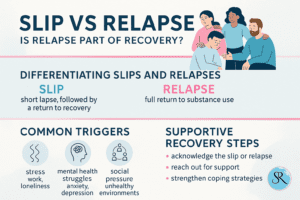
Let’s talk about a topic that many people experience but few want to hear: relapse. It’s common to relapse as part of the process. Because recovery isn’t easy. Any person who’s experienced it will tell you. It’s a detour—not the end of the road. Every journey to sobriety comes with its ups and downs, and relapse offers a chance to reflect, learn, and strengthen your commitment.
Recovery is deeply personal and rarely linear. But everyone will agree that it takes remarkable courage to go through recovery. There’s another thing that can help–understanding and knowledge.
If you know what to expect, it makes the recovery journey just a little bit easier. And you need all the help you can get.
Let’s explore ways to navigate relapse with compassion, practical strategies, and the support needed to thrive.
Understanding How Our Brains Work During Relapse
The science of relapse reveals something fascinating about how our brains work during recovery. Researchers have mapped out what happens in our neural pathways, showing that relapse develops like a gradual cascade rather than a sudden avalanche. It’s similar to how a rainstorm develops – first come the subtle changes in air pressure, then the gathering clouds, and finally the rainfall itself.
The emotional stage sneaks in first, often so quietly you might miss it. Your brain’s reward system, still healing from substance use, starts sending mixed signals. You might notice your sleep pattern getting rocky, or find yourself feeling irritated by things that normally wouldn’t bother you. Maybe you start missing meetings, telling yourself you’re just too busy. These changes happen because your brain’s emotional regulation centers – particularly the amygdala and prefrontal cortex – are still working to find their balance.
Then comes the mental stage, where your brain starts playing tricks on you. This is when the hippocampus, your memory center, might suddenly remind you of “good times” using, conveniently forgetting all the pain and struggles. You might catch yourself thinking, “I could handle just one drink now” or “I’ve been clean for months – surely I can control it this time.” Scientists call this “euphoric recall” – when your brain selectively remembers the pleasurable aspects of substance use while downplaying the negative consequences.
The physical stage – actually returning to substance use – typically comes last, but it’s really just the visible tip of the iceberg. By this point, your brain has already been wrestling with emotional and psychological challenges for days, weeks, or even months.
Understanding this progression isn’t just academic – it’s a powerful tool for recovery. When we recognize that relapse starts long before any substance use occurs, we gain multiple opportunities to intervene. It’s like having an early warning system that lets you take action when the first storm clouds appear, rather than waiting for the downpour.
This scientific understanding helps shatter one of recovery’s most harmful myths: that relapse equals failure. In fact, addiction specialists now view relapse (e.g., alcohol, drugs, etc.) much like they view flare-ups of other chronic conditions, like diabetes or asthma. Just as a diabetic experiencing high blood sugar needs to adjust their management strategy rather than give up entirely, someone in recovery can use a relapse as valuable information to strengthen their recovery plan.
Identifying Your Personal Triggers
Relapse triggers can be people, places, or situations. It’s all different for different people. It could even be memories of something traumatic. What’s important is identifying these triggers and preventing them from affecting your recovery.
Internal Triggers
Internal triggers can include emotions such as stress, anxiety, depression, boredom, and loneliness. They can be powerful triggers for relapse. Negative thought patterns, such as self-doubt, overconfidence, resentment, and dwelling on past grievances, can also add to making you feel you need to go back to your old habits..
External Triggers
External triggers can mean spending time with old buddies or family members who enabled you to engage in addiction behavior. Locations like bars, former hangouts, or neighborhoods associated with substance use, can remind you about your cravings. Parties, holidays, or certain work environments are potentially high-risk because many people experience the most stress in these situations.
The HALT Method
The HALT method is a helpful tool for recognizing internal triggers. It stands for:
Hunger: Being hungry can lead to irritability and low blood sugar, which can trigger cravings.
Anger: Unresolved anger can fuel resentment and increase the risk of relapse.
Loneliness: Feeling isolated and disconnected can lead to depression and substance use.
Tiredness: Exhaustion can impair judgment and make it harder to resist cravings.
By recognizing these states and taking steps to address them, individuals can reduce their risk of relapse.
Building Your Recovery Foundation
Developing solid coping strategies isn’t just helpful—it’s essential. Think of these strategies as tools in your recovery toolbox. Mindfulness practices, for instance, don’t require hours of meditation. Sometimes it’s as simple as taking three deep breaths when overwhelmed or spending five minutes each morning setting your intentions for the day.
When triggers strike, having reliable coping tools can make all the difference.
Mindfulness Techniques
Practice short daily meditations.
Try a body scan exercise to release tension.
Use deep breathing to ground yourself in tough moments.
Building a Support Network
Ask help from supportive friends and family.
Join a community or online recovery group.
Find a sponsor or sponsor who understands your journey.
Healthy Lifestyle Choices
Eat nutritious meals and drink plenty of water.
Do physical activities like walking, yoga, or dancing.
Sleep as much as you can to help your mind stay sharp and your emotions steady.
The Professional Support Difference
In professional treatment settings, you’ll find structured approaches to understanding and changing behavior patterns. Professional treatment can offer guidance tailored to your needs.
Individualized Therapy
One-on-one sessions can help you uncover and address emotional triggers.
Evidence-Based Treatments
Cognitive Behavioral Therapy (CBT): Shift unhelpful thought patterns.
Dialectical Behavior Therapy (DBT): Manage intense emotions with practical skills.
Motivational Interviewing (MI): Rekindle your commitment to recovery.
Ongoing Aftercare Support
Stay connected through alumni programs.
Continue with therapy to keep growing.
Join aftercare groups that offer long-term encouragement.
Moving Forward After a Setback
It’s not the end of the world if relapse does happen, just a chapter that needs rewriting. The key thing is to take immediate action by doing these things:
reach out to your support system
attend a meeting
connect with your counselor
Use this experience to strengthen your recovery program, identifying what led to the relapse and adjusting your plan accordingly.
The Power of Community
Recovery becomes more effective when you connect with others who understand your journey. Some of the most effective methods are traditional 12-step programs, SMART Recovery meetings, or online support groups. These connections can give you practical guidance and living proof that long-term recovery is possible.
Maintaining Long-Term Recovery
Successful long-term recovery often involves continuing education about stress management, building healthy relationships, and maintaining overall wellness. Celebrating milestones—both large and small—helps maintain motivation, while giving back to others in recovery can add meaning to your journey.
At Skypoint Recovery in Akron, Ohio, we understand the complexities of addiction recovery. Our outpatient programs offer comprehensive support through individual counseling, group therapy, and family support programs. We believe in treating the whole person, not just the addiction.
Ready to strengthen your recovery journey? Contact Skypoint Recovery at 855-612-3488 or fill out our online form. Our caring team will help you explore treatment options and verify your Medicaid coverage. Remember: recovery isn’t about perfection—it’s about progress. Every step forward brings you closer to the life you envision for yourself.
Discover how to rebuild your financial life and secure a stable future as you navigate the challenges of post-rehab recovery.
Undergoing rehab is an important step. But once you rejoin the real world, that’s when the financial difficulties start. At this time, even small financial decisions carry the weight of your future.
It’s a time of rebuilding your lost confidence and stability. It doesn’t matter what they are–facing unpaid debts, restarting a career, or learning how to budget for the first time, the financial realities of post-rehab life can directly impact recovery success. Financial stability is about creating a solid foundation that supports sobriety and long-term growth.
Let’s explore practical strategies for rebuilding your financial life, addressing addiction-related debts, and planning for a stable future in recovery.
Understanding Your Financial Situation
The first step to financial recovery is understanding where you stand.
Assessing Current Debts and Financial Obligations
Start by listing all outstanding debts, such as credit cards, medical bills, or loans. Confronting these numbers might stir feelings of anxiety or even regret, but it’s also the first step toward hope and change. Seeing the full picture can feel daunting, but it also empowers you to take control and create a clear plan for your financial recovery.
Recognize patterns of financial strain caused by addiction and prioritize what needs immediate attention. Understanding the full scope of your obligations is the foundation for effective planning.
Identifying Income Sources and Potential Barriers
Take a look at your income and expenses. Where can you cut back to increase your income? Maybe you can pick up a few extra shifts at work or start a side hustle. Every little bit helps when you’re trying to get back on your feet.
Think about your current income sources and identify potential barriers, such as employment gaps or legal issues as a result of addiction. This clarity will help you set realistic financial goals and identify areas for improvement.
Creating a Recovery-Focused Budget
A budget is a critical tool for building financial stability in recovery.
Prioritizing Essential Expenses
Often, we remember the “big” things and forget about the essentials. Never forget about these:
Shelter: Pay your rent on time, clean the house, or liven things up at home.
Utilities: Make payments for your electricity, gas, and internet bill.
Food: Shop for some groceries and prepare a warm, home-cooked meal.
Exercise: Take walks to the park, go to the gym, or shoot some hoops.
These small but significant steps can bring a sense of calm and stability that’s essential in the recovery journey.
Allocating Funds for Recovery-Related Costs
Prioritize the expenses for your therapy sessions, support group fees, or sober living costs if you really want to succeed. It’s time to prioritize your good habits now.
Building an Emergency Fund
Having an emergency fund can help you stay on your feet when unexpected expenses appear. Make sure you can cover three to six months of essential expenses at least. Even small contributions to an emergency fund can create a safety net for you for when you really need it.
Dealing with Addiction-Related Debts
It can be tempting to ignore those bills piling up, but addressing them as soon as possible is the only way to deal with them.
Communicate with Creditors: Don’t avoid calls and letters from your creditors! Explain your situation and most of them will be willing to work with you to create a manageable repayment plan.
Explore Debt Consolidation Options: If you’re juggling multiple debts, put them all under one institution to help make your payments easier and possibly lower the interest rates.
Rebuilding Your Credit
Once you rejoin the real world, having a good credit standing will go a long way in helping you reestablish yourself financially.
Understanding Your Credit Report
Get a copy of your credit report to identify areas you can improve on. Knowing where you stand empowers you to take specific actions. Knowledge is power. By doing this, you’re saying, “I’m ready to do the work, to make amends, and to create a brighter financial future.”
Strategies for Improving Credit Scores
First, make sure you’re paying everything on time. Set reminders on your phone, put due dates on your calendar, whatever it takes. There’s no better feeling than seeing those “paid” stamps pile up.
Next, take a hard look at your credit card balances. It’s easy to let them spiral out of control, especially when you’re in the midst of addiction. But high balances can be a red flag to lenders. So, make a plan to pay them down, bit by bit. Even if you can only afford the minimum payment, it’s progress.
Consistency is the key to these steps. Rebuilding trust with lenders isn’t one-and-done. Every on-time payment, every chipped away balance, is a step in the right direction.
Use Credit Responsibly
While in recovery, your credit card will be begging to be used. But resist the urge. It’s tempting to swipe now and worry later, especially when you’re in recovery and looking for a quick dopamine hit. But the long-term stress isn’t worth it. Instead, make a manageable purchase, like a week’s worth of groceries or a tank of gas. Then, pay it off right away. It might not be as thrilling as a shopping spree, but it’s a stepping stone to a more stable financial future.
Developing Healthy Financial Habits
Sustainable financial stability comes from building habits that align with your recovery goals.
Tracking Expenses and Avoiding Impulse Spending
Keep track of your spending to understand where your money goes. Picture the satisfaction of sitting down at the end of the month, reviewing your spending tracker, and seeing clear evidence of progress. Each dollar accounted for becomes a step toward financial stability, offering a sense of control and accomplishment in your recovery journey. Avoid emotional or impulsive purchases by setting spending limits and focusing on needs over wants.
Setting Short-Term and Long-Term Financial Goals
Establish achievable short-term goals, such as saving for a recovery milestone celebration, and long-term goals like purchasing a home or planning for retirement.
Differentiate Needs from Wants
Just like in real life, list down the things you can’t survive without and the things you can prioritize later. Putting some money on clothes might be more essential than taking a vacation somewhere expensive. It’s NEEDS vs WANTS.
Career Planning and Income Growth
If one of the reasons for your addiction behavior was your past job, it might be a good idea to switch careers. This isn’t the case 100 percent of the time but it happens a lot in recovery. Too often, the people who enabled you to abuse substances were right there in the office.
Assessing Skills and Interests
Think about your skills and interests that align with your recovery goals. For example, some people in recovery rediscover their interest in teaching, finding fulfillment in helping others learn and grow. Others might rediscover a passion for cooking, using it as both a creative outlet and a practical skill that builds confidence.
Exploring Education and Training Opportunities
Consider going back to school or pursuing vocational training to improve your chances of getting employed. Many programs offer scholarships or grants for individuals in recovery.
Job Search Strategies for Individuals in Recovery
Leverage resources like job placement programs, community networks, or career counselors to find opportunities suited to your skills and experience.
Protecting Your Financial Future
Planning for the future ensures long-term stability.
Understanding Insurance Needs in Recovery: Evaluate your insurance coverage for health, disability, or life insurance to protect yourself and your loved ones from unforeseen challenges.
Planning for Retirement and Long-Term Financial Security: Start saving for retirement, even if it’s a small amount. Long-term planning reinforces financial independence and peace of mind.
Creating a Will: Draft a will or establish power of attorney to ensure your assets and wishes are protected. Imagine the peace of mind that comes from knowing your family is secure—that they’ll have clear guidance and support no matter what happens. This step demonstrates a commitment to your future.
Skypoint Recovery: Your Partner in Financial Recovery
At Skypoint Recovery in Akron, Ohio, we understand that financial challenges are deeply intertwined with the recovery process. Our holistic approach to treatment includes practical tools and resources to help you regain control of your finances while building a stable, sober life.
Whether you’re learning to budget for the first time, addressing addiction-related debts, or planning for a brighter future, our team is here to support you every step of the way. Call us at 855-612-3488 or fill out our online form to take the next step toward financial and emotional stability in recovery.
If you’re trapped in a cycle of alcohol dependence or maybe you know someone in this situation but you don’t know if it’s the right time to seek help for them. Here are the signs you need to look out for.
Watching someone you love wrestle with alcohol addiction is like standing on one side of a glass wall, desperately wanting to break through but feeling powerless as they slip further away. If this feels all too familiar, maybe the person on the other side of that wall isn’t someone else—it’s you. And that’s okay. Acknowledging the need for help isn’t a sign of weakness; it’s the first step toward healing. Here’s the truth: there’s no shame in seeking support, and there is always hope.
When Drinking Becomes More Than Just Drinking
We’ve all seen what casual drinking looks like—a glass of wine with dinner, a beer during the game, maybe a toast at a celebration. But for 28.9 million Americans, those innocent moments shift, and the balance tips. What starts as a simple pleasure can quietly take control. The line between “wanting a drink” and “needing a drink” blurs until alcohol isn’t just part of life—it’s calling the shots.
The thing about alcohol addiction is that it’s not loud or obvious. It doesn’t barge in wearing a warning label. It slips in unnoticed, one drink at a time, normalizing itself in ways that feel harmless. Gradually, your brain starts to believe that drinking is more than a choice—it’s a necessity, as routine as your morning coffee, maybe even more critical.
The Signs Nobody Wants to See
If you talk to a recovering alcoholic this is what they’ll probably tell you, “Looking back, the signs were like giant billboards, but I kept choosing to ignore them.” But you must remember that those signs are different for everyone, but they often follow familiar patterns.
Here are some of them:
Physical Symptoms
Increased Tolerance: Drinking more to get the same effect or “buzz.”
Withdrawal Symptoms: You’ll experience trembling, sweating, nausea, irritability, or anxiety when you haven’t drunk alcohol.
Health Issues: Chronic fatigue, weight change, or frequently feeling ill because of alcohol’s effect on the immune system.
Sleep Problems: Insomnia or restless sleep patterns.
Behavioral Symptoms
Loss of Control: Drinking more or binge-drinking more often.
Neglecting Responsibilities: Missing work, school, or family commitments because of drinking or hangovers.
Secretive Behavior: Hiding alcohol, lying about drinking habits, or drinking alone to avoid scrutiny.
Emotional and Psychological Symptoms
Cravings: Feeling an overwhelming urge to drink when stressed.
Mood Swings: Experiencing irritability, anxiety, or depression when unable to drink.
Escaping Problems: Using alcohol as a way to avoid dealing with stress, emotional pain, or unresolved issues.
Social Symptoms
Strained Relationships: Conflicts with family, friends, or colleagues.
Isolation: Pulling away from loved ones or activities that were once enjoyable.
Legal or Financial Problems: Facing DUIs, public intoxication charges, or financial struggles resulting from alcohol-related decisions.
Your body is usually the first to raise the alarm. Maybe you notice you’re drinking more but feeling it less—that’s tolerance creeping in. Then come the warning signals when you try to stop—the shakes, the anxiety, the restlessness. It’s your body’s way of saying it’s gotten far too comfortable with alcohol in the picture.
Alcohol addiction isn’t just about drinking—it’s about watching the world you once knew shrink, until it fits entirely inside a bottle.
When Life Starts Falling Apart
The ripple effects of alcohol addiction reach far beyond the wine glass—it’s like throwing a stone into still water, and the waves just keep spreading. Jobs become unstable, as focus and performance slip. Relationships buckle under the strain of broken trust and unfulfilled promises. Bills start to stack up, while savings seem to vanish overnight.
Then there’s the physical toll, which can be relentless. The liver, heart, and brain endure silent damage that might not reveal itself until it’s too late to undo. It’s like alcohol brings anxiety and depression along as uninvited guests. They feed off each other, locking you in a vicious cycle where each day feels harder than the last. Breaking free might feel impossible, but it’s not—hope is closer than you think.
Breaking Free is More Than Just Saying No
Let’s bust a myth right now: willpower alone isn’t enough. Anyone who tells you different probably hasn’t been there. Getting sober – and staying sober – takes support, strategy, and often professional help.
Recovery looks different for everyone. Some people need intensive outpatient programs where they can learn new coping skills while keeping their jobs. Others find strength in sober living communities, surrounded by people who get it because they’ve lived it. The key is finding what works for you.
Modern treatment goes way beyond just dealing with the drinking. It digs into the why – why did alcohol become so important? What’s hiding behind that need to drink? When you start answering these questions, real healing can begin.
First, you’ll need to detox. After freeing yourself from alcohol, you can start the treatment.
Building a New Normal
Recovery needs more than just you turning your back on drinking. Your life goes on reset mode and you’ll have to relearn a lot. But, you have to remember that you can’t go back to the way things were. The goal is to create something new, something better.
For example, you’d have to find healthier ways to cope with stress, ones that don’t involve alcohol. You’ll learn to face challenges head-on, with courage and clarity, instead of trying to escape. And, most importantly, it’s about rediscovering yourself—your values, your passions, your purpose—without alcohol being in charge.
The journey isn’t easy. Some days, everything will seem unbearable. You might encounter triggers—a certain smell, a song, a familiar place—and they will try to pull you back.
These difficult moments don’t define your recovery. It’s the victories—both big and small—that remind you of how far you’ve come. It’s waking up in the morning with a clear mind and a renewed sense of possibility. It’s the smile on a loved one’s face as trust begins to rebuild. It’s finding joy in simple, beautiful things—a walk in the park, a heartfelt conversation, a hobby you forgot you loved.
Imagine what it feels like to laugh—really laugh—without alcohol’s haze. To enjoy a meal, a conversation, or a moment of stillness without needing a drink to enhance it. Recovery is about embracing those moments and realizing that your life is full of possibilities you may not have seen before.
It’s not easy, but the most meaningful things in life rarely are. Each step you take, no matter how small, brings you closer to the kind of life you deserve—a life where you call the shots, where your goals feel achievable, and where happiness isn’t found in a bottle but in the choices you make every day.
Finding Your Path Forward
Here in Akron, Skypoint Recovery understands that your story is unique. Our outpatient programs and sober living options are designed to meet you where you are, whether you’re taking your first steps toward recovery or working to stay on track.
We know it takes courage to ask for help. When you’re ready to take that step, we’re here. Our team has helped countless people write new chapters in their lives – stories where alcohol is history, not destiny.
Ready to start your story of recovery? Reach out to Skypoint Recovery at 855-612-3488 or fill out our confidential online form. That first step is the hardest, but you don’t have to take it alone.
Remember, rock bottom is actually the solid foundation on which many people rebuild their lives. Your journey to recovery can start today.
Discover how intensive outpatient recovery can be your lifeline to long-term sobriety, offering flexibility and support without putting your life on hold.
Remember those old, winding country roads? The ones that twist and turn, full of unexpected bumps and hidden curves? That’s often what the journey to sobriety feels like. It’s rarely straightforward, and it’s certainly never easy.
Inpatient treatment, with its total separation from the familiar comforts of home, can seem like a mountain too high to climb. But there’s another way—a path that winds alongside your life, offering support and structure without the drastic upheaval. It’s called Intensive Outpatient Recovery (IOP), and it might just be the lifeline you’ve been searching for.
Life doesn’t stop when you decide to get better. There are jobs to keep, families to care for, and responsibilities that can’t just be paused. That’s how Intensive Outpatient Programs (IOPs) can help you.
Understanding Intensive Outpatient Recovery
Intensive outpatient recovery represents a sophisticated approach to addiction treatment that combines rigorous therapeutic support with the flexibility to maintain daily life commitments. Unlike residential treatment, where individuals temporarily step away from their regular lives, IOPs provide structured treatment several days per week while allowing participants to return home each evening.
A Program That Works with Your Life
Intensive Outpatient Programs bridge the gap between inpatient care and standard outpatient therapy. They’re like the middle path: more structured than outpatient therapy but without the full-time commitment of inpatient care.
Instead of staying at a facility, you live at home and attend scheduled sessions throughout the week. This lets you practice what you learn in real-life settings—whether that’s managing stress at work or navigating social situations without turning to old habits.
Why Structure Matters
Addiction thrives in chaos. IOPs help replace that chaos with routine. With regular therapy sessions, group meetings, and check-ins, you’re not just learning about recovery—you’re living it. Think of IOP as a carefully orchestrated symphony of support, where different treatment elements work in harmony. Participants typically attend sessions 3-5 days per week, for several hours each day, receiving a combination of group therapy, individual counseling, and educational sessions. This level of care sits between traditional outpatient services and residential treatment, offering many of the benefits of intensive treatment while maintaining crucial connections to work, family, and community.
The evolution of IOP in addiction treatment reflects our growing understanding of recovery needs. Traditional residential treatment, while valuable for many, doesn’t always align with modern life’s demands. IOPs emerged as a response to this gap, providing intensive therapeutic support while acknowledging the importance of maintaining life stability.
The Real Advantages of IOP for Long-Term Sobriety
Picture learning to ride a bicycle with training wheels – that’s what makes IOP so powerful. Instead of being in a protected bubble, you’re learning to navigate real life with a safety net of support. Every morning brings new opportunities to practice what you’ve learned in treatment, whether it’s handling a stressful work meeting or saying “no” to happy hour invitations. And the best part? Your treatment team is right there with you, helping you adjust your balance and build confidence with each passing day.
It’s your personal recovery workshop, where you’re not just reading the instruction manual – you’re actually building something meaningful. You might start your day in a therapy session, learning why certain situations trigger cravings, then head straight to work where you can put those insights into action. When challenges arise, you don’t have to wait days to discuss them; you can bring them right back to your next session, fresh and real.
The practical side of recovery matters too, especially when it comes to your wallet. Many people find themselves wondering, “Can I really afford to get help?” With IOP, you’re looking at a fraction of the cost of residential treatment. Plus, you can keep your job, pay your bills, and maintain your financial responsibilities while getting the support you need. It’s like being able to repair your ship while staying afloat, rather than having to dock it for months.
This balance of treatment and real life creates a natural bridge to long-term sobriety. Rather than experiencing the shock of returning to “normal life” after being away, you’re already living it, just with extra support. You’ll learn how to handle morning traffic without reaching for a drink, how to manage family dynamics while staying centered, and how to enjoy social events without substances. Each small victory builds your confidence, showing you that not only is recovery possible – it’s sustainable in your everyday world.
Building a Foundation Through Structure
Success in recovery often hinges on establishing healthy routines and structure. IOPs excel at helping participants develop these crucial patterns while maintaining flexibility. A typical week in an IOP might include:
Morning medication management and check-in sessions focused on daily challenges
Afternoon group therapy addressing specific recovery skills and coping strategies
Evening support groups or family therapy sessions for building support networks
Regular drug screening to maintain accountability and track progress
Skill-building workshops covering topics from stress management to relapse prevention
This framework provides the scaffolding necessary to build a sustainable recovery while allowing space for personal responsibilities. The structure helps participants develop time management skills and healthy routines that support long-term sobriety.
Creating Your Recovery Network
Recovery thrives in the community, and IOPs excel at fostering meaningful connections. Through group therapy sessions, participants meet others walking similar paths, creating bonds that often extend beyond the treatment setting. These peer relationships provide understanding and support that family members, despite their best intentions, might not be able to offer.
Recovery isn’t just a solo journey – it ripples through the entire family. In IOP, families find themselves growing and healing alongside their loved ones, learning a new dance of support and understanding. It’s like learning to walk together again, with each family member finding their footing in this new landscape of recovery.
Family therapy sessions become a place of transformation. The father who used to lecture now learns to listen with an open heart. The sister who walked on eggshells discovers her voice, learning to share her feelings without fear. Old patterns of blame and shame slowly dissolve, replaced by genuine understanding and compassion.
In educational workshops, families experience lightbulb moments that change everything. A father who once believed addiction was simply a choice sits quietly, tears in his eyes, as he finally understands the complex web of factors that led to his son’s struggles. These moments of clarity heal old wounds and build bridges of understanding that addiction had once burned.
The support groups become a haven where family members can finally exhale. Here, a wife can admit how exhausting it is to check her husband’s breath every evening, and receive knowing nods instead of judgment. A brother can confess his anger at having to be the “responsible one” and find others who truly get it. These shared experiences weave a tapestry of support that extends far beyond the group room.
Through practical skills training, families learn the art of healthy support. They discover that love doesn’t mean solving every problem, and that setting boundaries isn’t the same as giving up. A mother learns she can love her daughter without answering every 3 AM phone call. A spouse realizes that supporting recovery doesn’t mean sacrificing their own peace of mind. Day by day, they build a new normal that supports recovery while preserving the whole family’s wellbeing.
The Science of Success in IOP Treatment
Research consistently shows that intensive outpatient programs can be as effective as residential treatment for many individuals, particularly those with stable home environments and strong support systems. The key lies in the program’s ability to address both the addiction itself and any co-occurring mental health conditions that might fuel substance use.
Evidence-based therapies form the cornerstone of effective IOP treatment. These typically include:
Cognitive Behavioral Therapy (CBT) to address thought patterns and behaviors
Dialectical Behavior Therapy (DBT) for emotional regulation
Motivational Enhancement Therapy to strengthen recovery commitment
Group therapy for peer support and skill development
Trauma-informed care approaches
Holistic wellness practices
The Role of Comprehensive Care in IOP
Successful IOP programs recognize that addiction recovery requires a multifaceted approach. Beyond traditional therapy, comprehensive care might include:
Nutritional Support and Wellness
Understanding the role of physical health in recovery, many programs incorporate nutritional education and wellness activities. This might include:
Education about proper nutrition during recovery
Exercise and movement therapy
Stress management techniques
Sleep hygiene practices
Mental Health Integration
The relationship between mental health and addiction intertwines like threads in a complex tapestry. For many people, anxiety or depression may have first led them to seek relief in substances, while others found their mental health declining as addiction took hold. IOP programs recognize this delicate relationship, offering a nuanced approach to healing both conditions simultaneously.
When needed, medication management becomes part of the healing journey. Working closely with healthcare providers, participants find the right balance of medications to support their mental health while maintaining their sobriety. It’s like finding the right combination to unlock a door – one that opens to clearer thinking and emotional stability.
The program weaves specific therapeutic interventions throughout treatment, addressing both addiction and mental health challenges. Someone might learn breathing techniques to manage anxiety while also developing strategies to handle substance cravings. These skills complement each other, creating a stronger foundation for lasting recovery.
Crisis management planning serves as a safety net, ensuring that participants know exactly what to do when mental health challenges threaten their sobriety. They develop personalized action plans, identifying trusted contacts and specific steps to take during difficult moments. This preparation provides peace of mind, knowing they have tools and support ready when they need them most.
Life Skills Development
Practical skills weave the fabric of sustainable recovery, turning abstract concepts into tangible tools for daily living. Think about James, who found himself overwhelmed not just by sobriety, but by years of neglected life skills. Like many in recovery, he needed more than just addiction treatment – he needed to rebuild the foundation of his daily life.
Financial management education becomes a lifeline for many participants. They learn to navigate the sometimes turbulent waters of personal finance, moving from the chaos of addiction-driven spending to thoughtful budgeting and planning. For some, it’s the first time they’ve truly understood how to manage a bank account or plan for future expenses. These skills prove invaluable in maintaining stability, reducing stress, and supporting long-term recovery.
Career development takes on special significance in recovery. Participants work on rebuilding their professional lives, whether that means returning to a previous career or charting an entirely new course. Through resume writing workshops and interview practice sessions, they regain confidence in their professional abilities. Many discover that the determination they’re showing in recovery translates perfectly into workplace success.
Communication skills emerge as a cornerstone of healthy living. In group sessions, participants practice expressing their needs clearly and listening actively to others. These skills ripple outward, improving relationships with family members, coworkers, and friends. Simple conversations that once seemed impossible become manageable, even comfortable.
Time management strategies help bring structure to lives that may have lacked it for years. Participants learn to balance their recovery commitments with work, family, and personal time. They discover that managing their schedule isn’t just about being organized – it’s about creating space for all the meaningful aspects of a sober life while keeping recovery at the center.
Navigating Challenges in IOP
While IOP offers many advantages, it also presents unique challenges that participants must navigate. Common challenges include:
Managing Triggers in Daily Life
Living at home while in treatment means encountering potential triggers regularly. IOP programs help participants:
Identify personal triggers and high-risk situations
Develop specific coping strategies
Create emergency response plans
Build a support network for difficult moments
Balancing Responsibilities
Maintaining work, family, and recovery commitments requires careful balance. Programs support this through:
Flexible scheduling options
Time management training
Stress management techniques
Family support services
Maintaining Motivation
Staying committed to recovery while managing daily life demands consistent motivation. Programs address this through:
Regular progress assessments
Celebration of milestones
Peer support connections
Goal-setting activities
Looking Toward Long-Term Success
The path to lasting sobriety resembles a marathon more than a sprint. IOP programs recognize this by incorporating comprehensive relapse prevention strategies and planning for step-down care. As participants progress, treatment intensity gradually decreases, allowing for a smooth transition to independent recovery while maintaining support connections.
Key components of long-term success planning include:
Aftercare Planning
Development of ongoing support strategies
Connection with community resources
Establishment of long-term recovery goals
Creation of maintenance plans
Relapse Prevention
Identification of personal risk factors
Development of coping strategies
Creation of emergency response plans
Building of support networks
Life Integration
Career development support
Relationship healing strategies
Community engagement opportunities
Healthy lifestyle development
The Future of Recovery Support
As addiction treatment evolves, IOP programs continue to incorporate new approaches and technologies. Modern programs might include:
Telehealth options for increased accessibility
Mobile apps for recovery support
Virtual reality therapy for skill practice
Digital tracking tools for progress monitoring
Making the Choice for Recovery
Choosing the right treatment approach requires careful consideration of personal circumstances, responsibilities, and recovery needs. IOP offers a powerful combination of:
Professional support and evidence-based treatment
Flexibility to maintain life commitments
Real-world skill application
Community and family involvement
Comprehensive care approaches
For those considering their treatment options, intensive outpatient recovery offers a powerful combination of professional support, peer connection, and real-world application. It’s an approach that recognizes both the complexity of addiction and the importance of maintaining life’s meaningful connections during recovery.
Why Skypoint Recovery?
If you’re ready to explore how intensive outpatient treatment could support your recovery journey, Skypoint Recovery in Akron, Ohio, offers comprehensive IOP programs designed to meet you where you are.
Our experienced team understands the challenges of addiction and provides personalized support to help you achieve lasting sobriety. Take the first step toward your recovery by calling 855-612-3488 or filling out our online form. Your path to lasting freedom starts here.